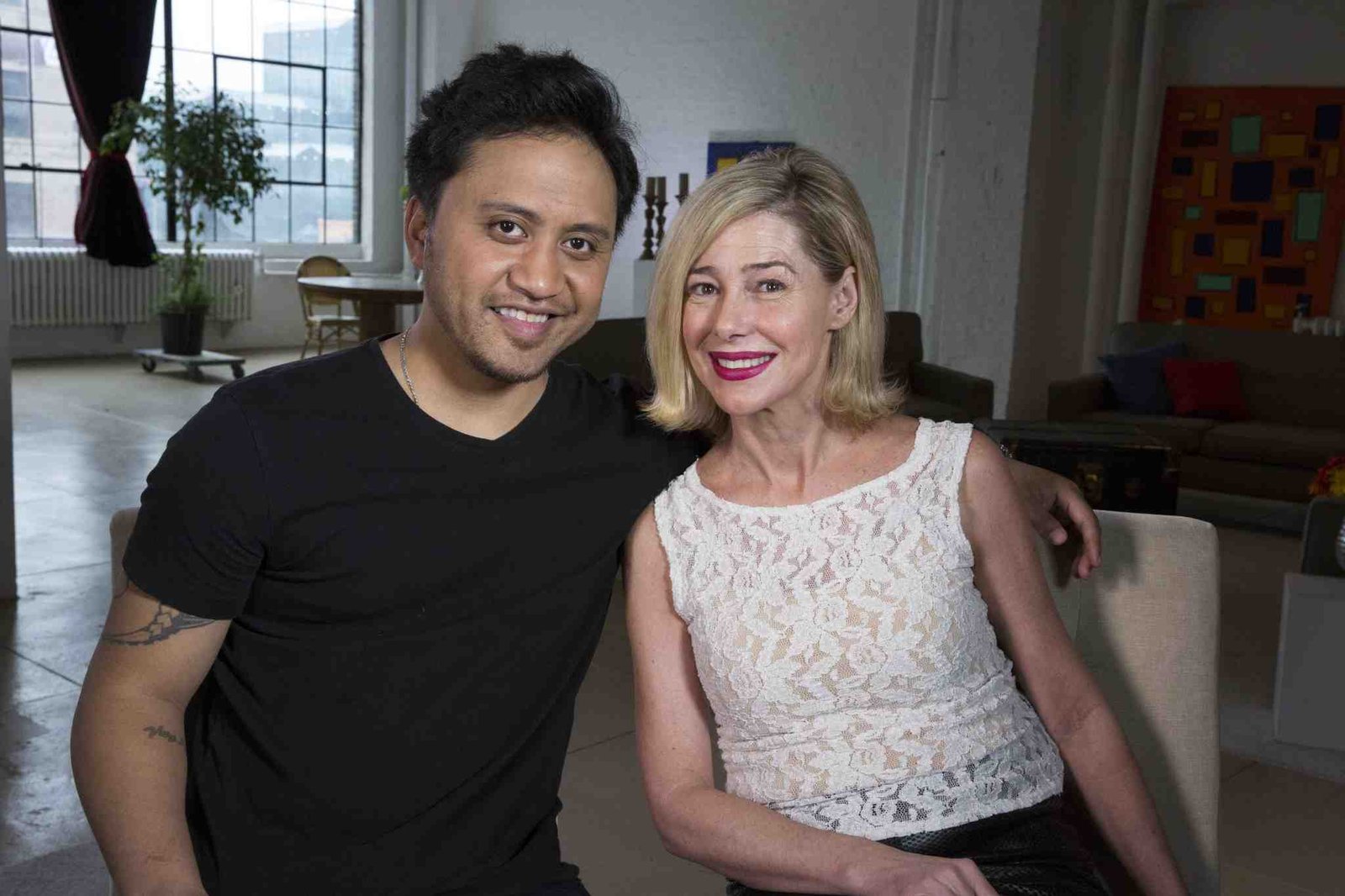
Vili Fualaau is not a movie character, actor, or fictional personality. He is a real individual whose life became internationally known due to one of the most disturbing and widely reported abuse cases in United States history. This case forced society, legal systems, and media to confront uncomfortable realities about child abuse, power imbalance, and long-term trauma. This article is written purely for informational and educational purposes, presenting verified facts without sensationalism or exaggeration.
Early Life and Childhood Background
Vili Fualaau was born and raised in Washington State, USA. His early life was largely ordinary, marked by school, family, and creative interests. Teachers noted his artistic abilities, particularly in poetry and visual expression. At this stage, there was nothing publicly remarkable about his life, and he was simply a child navigating education and personal growth like many others in his community.
The Teacher-Student Relationship
The turning point in his life occurred when he became involved with his elementary school teacher, Mary Kay Letourneau. What was later revealed to be a sexual relationship began when he was just 12 years old, an age at which legal consent is impossible under U.S. law. This relationship represented a clear abuse of authority, trust, and power by an adult in a position of responsibility.
Discovery of the Abuse
The abuse came to public attention in 1997 after private letters were discovered, prompting an investigation by authorities. At the time, the situation shocked the nation due to the roles involved: a female teacher and a male child. This challenged common misconceptions about abuse and highlighted that children of any gender can be victims.
Criminal Charges and Court Rulings
Following the investigation, Mary Kay Letourneau was arrested and charged with two counts of second-degree rape of a child. The court recognized the severity of the offense, emphasizing that the victim’s age made any notion of consent legally invalid. She was sentenced to prison, marking a significant legal acknowledgment of the crime committed against a minor.
Media Attention and Public Reaction
The case attracted massive media coverage across television, newspapers, and international outlets. Public reactions were deeply divided, with widespread condemnation alongside problematic narratives that attempted to romanticize the abuse. Experts and advocacy groups strongly criticized such portrayals, stressing that abuse cannot be reframed as a love story.
Psychological and Emotional Impact
The long-term psychological effects of childhood abuse are well documented, and this case was no exception. In later interviews, Vili Fualaau openly discussed struggling with depression and emotional confusion stemming from his childhood trauma. These admissions highlighted the lasting consequences abuse can have well into adulthood, even when legal action is taken.
Marriage and Adult Life
After Mary Kay Letourneau’s release from prison, legal restrictions preventing contact were eventually lifted, and the two married in 2005. This development sparked renewed debate among psychologists, legal professionals, and the public. Many experts emphasized that trauma bonding and long-term psychological conditioning can influence such outcomes, particularly when abuse occurs at a young age.
Family and Parenthood
The couple had two daughters together, and for a period lived a relatively private family life away from constant media scrutiny. Parenthood added complexity to an already controversial situation, raising ethical and psychological questions that continued to be discussed in academic and social contexts.
Separation and Personal Independence
In 2017, Vili Fualaau filed for separation, which was finalized in 2019. This decision marked an important step toward personal independence and healing. Mental health professionals often note that survivors of long-term abuse may take years before fully recognizing and addressing the impact of their trauma.
Life After Public Attention
Following the separation, he largely withdrew from the public spotlight. He focused on personal well-being, privacy, and rebuilding his life outside the identity shaped by the case. His choice to step back from media attention reflects a broader need among survivors for control over their own narratives.
Death of Mary Kay Letourneau
In 2020, Mary Kay Letourneau passed away due to cancer. Her death closed a legal chapter but did not erase the broader social conversations sparked by the case. Discussions around accountability, victim protection, and institutional responsibility continue to reference this case as a significant example.
Legal and Social Impact
This case played a role in reshaping public understanding of abuse dynamics, particularly involving female offenders and male victims. It reinforced the principle that child protection laws exist to safeguard minors regardless of gender, and that authority figures can never ethically or legally engage in relationships with children.
Lessons Learned from the Case
The story underscores the importance of:
- Strong child protection policies
- Mandatory reporting by institutions
- Trauma-informed mental health support
- Responsible media coverage
These lessons continue to influence discussions in education, law, and psychology.
Why This Case Still Matters
Decades later, the case remains relevant because it exposes how systems can fail children when warning signs are ignored. It also demonstrates the long-lasting effects of abuse and the importance of survivor-centered approaches to justice and recovery.
Conclusion
The story of Vili Fualaau is not about scandal or notoriety—it is about the realities of abuse, accountability, and survival. By examining this case through an informative and factual lens, society can better understand the importance of protecting children, supporting survivors, and ensuring that power is never misused. Education and awareness remain essential tools in preventing similar tragedies in the future.
More Details : How Gorlock the Destroyer Went Viral—And Why It Matters
(FAQs)
Who is Vili Fualaau?
He is an American individual known due to a highly publicized child abuse case involving his former teacher.
Was the relationship legal?
No. Under U.S. law, the relationship was classified as child rape due to the victim being a minor.
Why did the case gain so much attention?
The roles involved challenged stereotypes about abuse and highlighted failures in child protection systems.
Did the case affect child protection laws?
It contributed to broader discussions and reforms around mandatory reporting and abuse awareness.
Is Vili Fualaau a public figure today?
He now lives a private life and has largely stepped away from public attention.