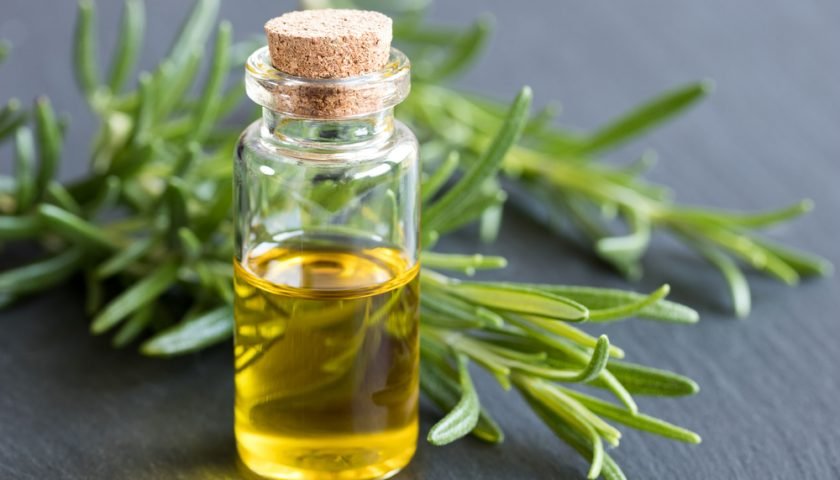
Rosemary oil has become one of the most trusted natural remedies in wellness, skincare, and haircare due to its powerful botanical properties. Extracted from the aromatic rosemary herb, this essential oil has been valued for centuries in traditional medicine. Today, it continues to gain popularity as people seek natural solutions for healthier living. Understanding its origins, benefits, and safe usage can help you integrate it into your routine with confidence.
How Rosemary Oil Is Made
To create high-quality rosemary oil, producers rely on steam distillation—a gentle extraction method that preserves the plant’s natural compounds. Fresh rosemary leaves and flowers are placed in a chamber where steam pulls out the essential oil content. Once separated, the oil is collected in a concentrated form, rich with beneficial elements such as camphor, cineole, and antioxidants. This unique chemical profile is what gives the oil its strong aroma and impressive therapeutic value.
Powerful Components Behind Its Effects
The natural compounds in rosemary oil play specific roles in its overall effectiveness. Cineole supports respiratory clarity, making the oil useful in aromatherapy. Camphor helps stimulate circulation when applied topically. The presence of antioxidants protects the skin and scalp from environmental stress. Together, these components create a potent oil capable of supporting hair, skin, and overall wellbeing.
Hair Health Benefits of Rosemary Oil
One of the most well-known uses of rosemary oil is for hair nourishment. Many people use it to support thicker, stronger hair and a healthier scalp. When massaged into the scalp with a carrier oil, it encourages circulation, which helps nourish hair follicles. Its natural cleansing properties help reduce buildup and dryness, while its refreshing aroma makes haircare feel more luxurious. For those interested in natural solutions, this oil is a trusted partner in a routine aimed at vibrant, fuller-looking hair.
How Rosemary Oil Supports Healthy Skin
Rosemary oil is also a powerful ally for skin wellness. It carries natural antioxidants that help protect the skin from everyday environmental factors. When diluted and applied to the skin, it can help improve texture, balance oils, and offer mild antimicrobial benefits. Those who struggle with dull or uneven skin often find it helpful in creating a fresh, revitalized complexion. Its toning qualities can also support a smoother appearance over time.
Boosting Focus and Mental Clarity with Aromatherapy
In aromatherapy, rosemary oil is highly valued for its uplifting and mentally stimulating qualities. Its crisp scent can help increase alertness, making it perfect during study sessions, work hours, or whenever concentration is needed. Diffusing the oil promotes a refreshed and energized atmosphere, helping fight fatigue and mental fog. For individuals who want natural ways to stay focused, rosemary oil offers a simple yet effective option.
Natural Relief for Muscle Tension
Many people turn to rosemary oil as part of their relaxation routine because it may help ease tired muscles and occasional stiffness. When blended with warm carrier oils, it can be massaged into areas experiencing tension. This soothing effect makes it popular among athletes, fitness enthusiasts, and individuals seeking comfort after long hours of physical activity. The oil’s warming sensation, combined with improved circulation, provides gentle but effective relief.
Immune and Home Benefits
Rosemary oil also offers impressive benefits beyond personal care. Thanks to its antimicrobial qualities, it can be used in natural cleaning solutions to help freshen home environments. When diffused, it supports a cleaner-feeling atmosphere and may help comfort the respiratory system. Those interested in reducing chemical exposure often turn to such natural alternatives to keep their surroundings fresh and pleasant.
How to Use Rosemary Oil Safely
Because rosemary oil is very concentrated, proper dilution is essential. A common guideline is two to three drops of essential oil mixed with a teaspoon of carrier oil. Before applying it to larger areas, always do a patch test to check for sensitivity. When using a diffuser, only a few drops are needed to fill a room with its refreshing aroma. People with medical conditions, as well as pregnant women and children, should consult a professional before using essential oils.
Choosing Quality for Best Results
For the most effective results, choosing high-quality rosemary oil is important. Look for labels that state “100% pure essential oil” and avoid products containing fillers or synthetic fragrances. Dark glass bottles help protect the oil from light exposure, maintaining its potency. Reputable brands often provide details about sourcing and testing, ensuring you receive a pure and reliable product.
Simple Ways to Add Rosemary Oil to Daily Life
Integrating rosemary oil into everyday habits is simple and enjoyable. Add a few drops to your shampoo or conditioner to support scalp health. Use it in a diffuser to create an energizing work atmosphere. Mix it into homemade cleaning sprays to refresh your living spaces naturally. Whether used for self-care or home care, this oil offers countless practical applications, making it a valuable addition to a wellness-focused lifestyle.
More Details : Is Wurduxalgoilds Good? A Comprehensive Review for 2025
FAQs
1. Is rosemary oil good for hair growth?
Many people report improved scalp health and stronger-looking hair with consistent use, although individual results can vary.
2. Can rosemary oil be applied directly to the skin?
It should always be diluted with a carrier oil to prevent irritation.
3. How often can I use rosemary oil?
You can use it daily in small, diluted amounts depending on your skin and scalp sensitivity.
4. Does rosemary oil really help with focus?
Yes, its aroma is known to support alertness, concentration, and mental clarity.
5. Can anyone use rosemary oil?
Most adults can use it safely when diluted, but people with health conditions and pregnant individuals should consult a professional first.