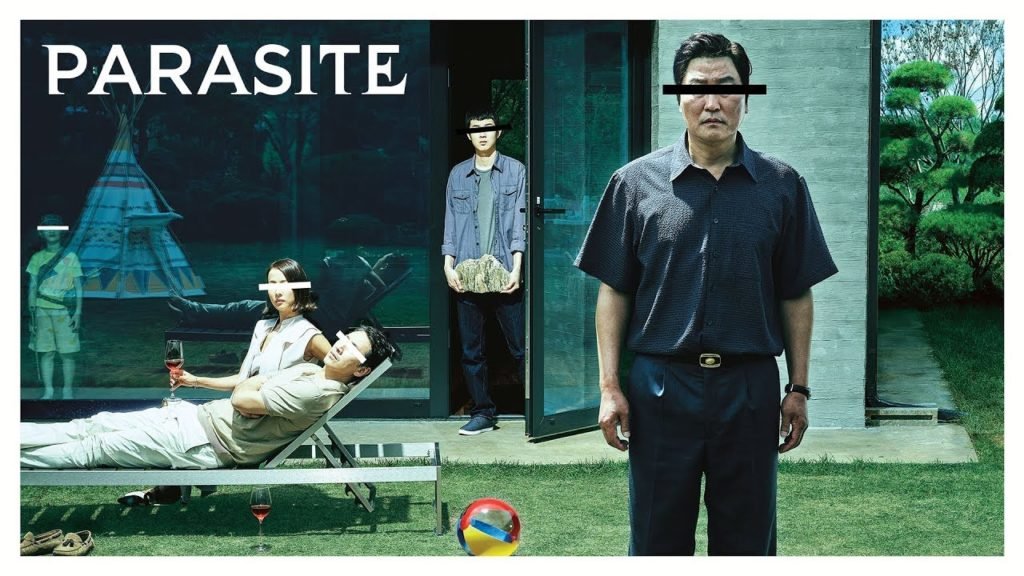
Bong Joon-ho’s Parasite stands among the most impactful films of modern cinema. This parasite review dives deep into its story, themes, symbolism, characters, and overall cinematic excellence. The film’s ability to connect with audiences around the world makes it a masterpiece worth exploring in detail. In this comprehensive breakdown, you will understand why Parasite remains one of the most discussed movies of our generation.
Why Parasite Became a Global Phenomenon
When Parasite released in 2019, it didn’t just entertain viewers—it sparked debates, discussions, and cultural conversations. The film’s unique combination of dark comedy, drama, thriller elements, and social commentary captured worldwide attention. In this parasite review, we explore how the movie blends relatable themes with cinematic brilliance to create a story that feels both personal and universal.
Bong Joon-ho crafted a film that goes beyond language barriers. Parasite became the first non-English-language film to win the Academy Award for Best Picture, proving its emotional and artistic depth.
Story Overview: A Tale of Two Families
At the heart of Parasite lies the contrast between two families: the poor Kims and the wealthy Parks. This section of the parasite review focuses on how their lives intersect through opportunity, ambition, and deception.
The Kims live in a cramped semi-basement apartment, struggling to make ends meet. When Ki-woo gets the chance to tutor the Park family’s daughter, the Kims slowly infiltrate the home one by one. What starts as clever planning soon turns into a dangerous power play. The secrecy, manipulation, and hidden truths create a tension-filled plot that keeps viewers engaged until the very last moment.
The film’s pacing is deliberate, allowing viewers to absorb each twist and emotional conflict.
Themes of Social Inequality and Class Divide
One of the strongest pillars of Parasite is its commentary on social inequality. This parasite review highlights how the film uses everyday situations to reflect deeper societal issues.
The Stark Contrast Between Wealth and Poverty
The Kims’ semi-basement home symbolizes limited opportunity—stuck between the street and the underground, just like their social status. In contrast, the Parks’ spacious mansion, filled with light and modern design, represents privilege and comfort.
The Illusion of Social Mobility
Throughout the film, the Kims believe they can climb the social ladder, but the harsh reality proves otherwise. Their journey reflects the struggles many face when trying to improve their circumstances in an unequal society.
Economic Disparity as a Global Issue
While the story is set in South Korea, the themes resonate globally. Inequality, poverty, and privilege affect people everywhere, making Parasite relatable worldwide.
Character Analysis: Complex Personalities and Motivations
Every character in Parasite plays an important role in shaping the narrative. This section of the parasite review explores their backgrounds, behaviors, and motives.
Ki-woo (The Opportunist)
Ki-woo is ambitious and hopeful. He represents the dreams of a generation searching for opportunities. His journey shows how desperation can blur moral boundaries.
Ki-jung (The Strategist)
Smart and resourceful, Ki-jung is the mastermind behind many of the Kims’ plans. Her intelligence shows the potential that social inequality fails to recognize.
Mrs. Park (The Innocent Elite)
A kind-hearted but naive woman, Mrs. Park symbolizes how privilege can create emotional distance from reality.
Mr. Park (The Employer)
Dignified yet detached, Mr. Park represents the subtle discrimination that often comes with wealth. His views reflect the unconscious biases of the upper class.
Each character is multifaceted, making them believable and emotionally compelling.
Symbolism: Visual Storytelling at Its Finest
Bong Joon-ho is known for his use of symbolism, and Parasite is filled with powerful visual metaphors. This parasite review now highlights the key symbols that enrich the story.
The Scholar’s Stone
A symbol of fortune and hope, the stone follows the Kim family throughout the film. Its shifting meaning reflects the changing reality of their dreams.
Stairs and Elevation
One of the most recurring symbols in the film, stairs represent social hierarchy. Characters constantly move up or down stairs, visually demonstrating the tension between social classes.
The Use of Light and Darkness
The Parks enjoy natural light, representing comfort and privilege. The Kims live in a dim, artificial environment—highlighting their struggle and limitations.
Weather and Rain
A rainstorm that is a minor inconvenience for the Parks becomes a disaster for the Kims. This contrast reminds viewers that social status determines how people experience the same events.
These symbolic layers make the film intellectually engaging and artistically rich.
Tone and Genre: A Masterful Blend of Emotions
One of the most unique elements of Parasite is its seamless shift between genres. This section of the parasite review focuses on how the film balances humor, suspense, and tragedy.
Dark Comedy
The film begins with light, humorous moments that reflect the Kims’ creativity and survival skills.
Thriller Elements
As the story unfolds, the tension rises. Unexpected discoveries and secrets create an atmosphere of suspense.
Tragedy and Shock
The climax of the film is intense and emotionally heavy, leaving viewers questioning morality, inequality, and human nature.
This genre-blending approach keeps the audience deeply engaged from start to finish.
Global Recognition and Cultural Influence
Parasite made history not just as a film but as a cultural movement. It opened the world’s eyes to the power of Korean cinema and the universality of social themes. This parasite review acknowledges the film’s contribution to global storytelling.
Historic Awards
Winning Best Picture at the Oscars, along with multiple other awards, proved its excellence.
International Impact
Viewers from different countries connected with the film’s message about inequality—showing how truly universal the story is.
Boost to Korean Cinema
After Parasite, global interest in Korean films and TV shows increased dramatically. The movie paved the way for other works to reach a broader audience.
Why Parasite Still Matters Today
Even years after its release, Parasite remains relevant. The issues it addresses—economic disparity, fragile social systems, and human ambition—continue to shape societies around the world.
This informative article emphasizes that Parasite is not just entertainment; it is a profound study of how people survive, struggle, and dream within unequal environments.
Conclusion:
To conclude this parasite review, Parasite is more than a movie—it is a masterpiece of emotional depth, visual storytelling, and social awareness. Its characters, themes, and symbolism come together to create a film that stays with viewers long after it ends. For movie lovers, analyzing Parasite is like peeling back the layers of a complex, fascinating story that continues to inspire discussion.
(FAQs)
1. What is Parasite mainly about?
Parasite explores social inequality and the relationship between two families from opposite economic backgrounds.
2. Why did Parasite become so popular?
Its strong storytelling, symbolism, and universal themes helped it resonate with audiences worldwide.
3. Is Parasite a horror movie?
No, but it contains suspenseful elements. It is primarily a mix of drama, thriller, and dark comedy.
4. Who directed Parasite?
The film was directed by South Korean filmmaker Bong Joon-ho.
5. What makes Parasite unique?
Its blend of genres, strong visual symbolism, and deep social message set it apart from traditional films.