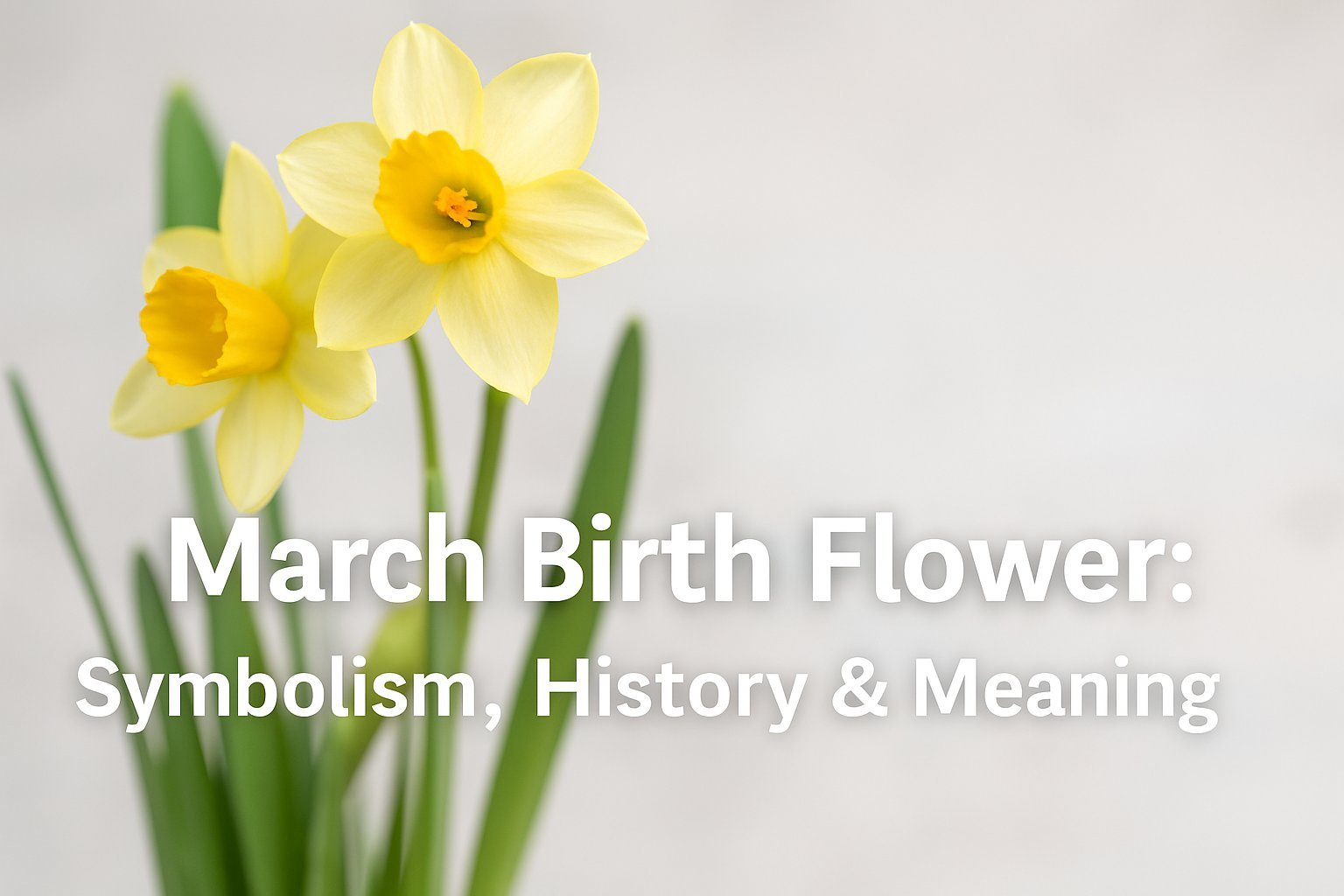
Understanding the deeper meaning behind birth flowers is a timeless tradition, and the March birth flower holds a unique place in this symbolism. Representing renewal, growth, and hope, the flowers associated with March speak to the early signs of spring and the energy of new beginnings. In this comprehensive guide, you’ll discover the history, cultural significance, symbolism, and modern uses of the March birth flower, making this article a valuable resource for readers who want accurate and rich information.
What Is the March Birth Flower?
The primary March birth flower is the daffodil, a bright and cheerful bloom that signals the end of winter and the start of spring. Known scientifically as Narcissus, this flower features trumpet-shaped heads and vibrant yellow or white petals. The daffodil thrives in cool climates and naturally blooms in early spring, making it the perfect emblem for the month of March.
While the daffodil is the dominant birth flower for this month, some cultures also recognize the jonquil, a type of narcissus, as a secondary March flower. Both share similar symbolic themes of rebirth and optimism.
History and Origins of the March Birth Flower
The daffodil has deep historical roots stretching back thousands of years. It originated in the Mediterranean region and spread throughout Europe and Asia due to its hardy nature. Ancient civilizations admired the daffodil for its beauty and resilience, often connecting it to mythological stories.
In Greek mythology, the flower is tied to the tale of Narcissus, a young man who fell in love with his reflection. According to legend, he transformed into a daffodil, explaining why the flower bends modestly toward the ground. Because of this myth, the daffodil also symbolizes self-awareness and introspection.
By the Middle Ages, daffodils became a popular spring flower in gardens throughout Europe. Their early bloom made them a sign of nature’s revival, and their bright appearance offered hope after harsh winters.
Symbolism of the March Birth Flower
The March birth flower is rich in symbolic meaning. Across cultures and generations, the daffodil has represented several uplifting traits and emotional qualities:
1. Rebirth and New Beginnings
As one of the first flowers to bloom in spring, the daffodil embodies renewal. It heralds the start of a new season, making it a powerful symbol of transformation.
2. Hope and Positivity
The radiant yellow hue of daffodils naturally inspires joy. Their brightness is often associated with optimism and positive energy.
3. Prosperity and Good Fortune
In some cultures, gifting a bunch of daffodils is believed to bring prosperity. However, giving a single daffodil is sometimes avoided, as it is thought to symbolize misfortune.
4. Resilience
Because daffodils push through cold soil and unfavorable conditions to bloom early, they are seen as symbols of strength, perseverance, and resilience.
5. Respect and Friendship
Daffodils are often used to express admiration and caring, making them excellent flowers for friendships and heartfelt relationships.
Cultural Significance Around the World
The March birth flower has been embraced globally, with each culture attributing its own unique meaning:
China
Daffodils are linked to good luck and prosperity, especially during the Lunar New Year. They symbolize the hope for a prosperous and harmonious year ahead.
Wales
The daffodil is the national flower of Wales. Every year on St. David’s Day (March 1st), it is worn as a symbol of national pride.
United Kingdom
The daffodil represents the arrival of spring and is commonly associated with charitable causes. Notably, the flower is used by cancer research organizations to symbolize hope.
United States
In the U.S., daffodils are widely used in spring celebrations and decorative arrangements, symbolizing renewal and seasonal change.
Botanical Characteristics of the Daffodil
The daffodil belongs to the Narcissus genus and features over 50 species and thousands of hybrids. Here are some key botanical details:
Flower Structure
Daffodils feature six petal-like tepals surrounding a trumpet-shaped corona. Their colors range from golden yellow to white, orange, and even pale pink varieties.
Growth Habit
They grow from bulbs, which store nutrients that allow the flower to survive harsh winter months. Daffodils typically bloom between late February and early April.
Fragrance
Some species emit a sweet, light scent, while others have a mild or nonexistent fragrance.
Longevity
Daffodils are perennial flowers, meaning they return year after year when planted in suitable soil and climate conditions.
Why the March Birth Flower Represents Spring Most Authentically
While many flowers bloom in spring, daffodils are often the earliest and most consistent bloomers. This makes the March birth flower a true representation of the season’s arrival. They flourish in cool temperatures and often appear before leaves fully return to trees, making them one of the first signs of warmer days ahead.
Their ability to bloom even in unpredictable early-spring weather highlights their connection to resilience and renewal—qualities often associated with people born in March.
Gifting the March Birth Flower: Ideal Occasions
Daffodils make meaningful gifts for various occasions due to their symbolic associations. Here are times when gifting daffodils is especially appropriate:
Birthdays in March
As the official birth flower, daffodils are perfect for celebrating March birthdays.
New Beginnings
Whether it’s a new job, home, or chapter in life, the daffodil is a thoughtful way to express encouragement and hope.
Anniversaries
Especially the 10th wedding anniversary, where daffodils traditionally symbolize renewal in a long-term relationship.
Get-Well Wishes
Because they signify strength and positive energy, daffodils bring comfort and encouragement.
How to Grow and Care for Daffodils
Growing the March birth flower at home is both easy and rewarding. These hardy blooms require minimal maintenance and thrive in a variety of environments.
Planting
- Plant bulbs in the fall, preferably in September or October.
- Choose well-draining soil and a sunny to partially shaded location.
- Plant bulbs 6 inches deep and 3 inches apart for best results.
Watering
Daffodils need moderate watering. Soil should remain moist but not waterlogged. Overwatering can cause bulb rot.
Sunlight Requirements
Daffodils prefer full sun, though they can tolerate partial shade.
Post-Bloom Care
Allow the foliage to remain until it naturally withers. This helps the bulb absorb nutrients for the next year’s bloom.
Modern Uses and Symbolic Gifting Trends
In modern floral design, daffodils are frequently used for spring bouquets, wedding arrangements, and seasonal décor. Their bright colors bring uplifting energy to indoor and outdoor spaces. Many people also plant daffodil bulbs in gardens to create vibrant spring landscapes.
Because the March birth flower represents positivity, these blooms are popular in wellness-themed gifts, mindfulness products, and spring celebration events.
Conclusion
Rich in history, vibrant in color, and full of symbolic meaning, the March birth flower remains one of the most cherished blossoms in the world. From representing new beginnings to expressing admiration and hope, the daffodil continues to be a timeless emblem of spring. Whether you’re gifting it, planting it, or simply learning about its significance, this flower offers a beautiful reminder of growth, resilience, and renewal.
FAQs
1. What is the official March birth flower?
The official March birth flower is the daffodil, known for symbolizing new beginnings and hope.
2. Are there other flowers associated with March?
Yes, in some regions the jonquil, a type of narcissus, is also considered a March flower.
3. What does the daffodil symbolize?
It symbolizes rebirth, prosperity, optimism, resilience, and fresh starts.
4. When do daffodils bloom?
They typically bloom from late February through early April, depending on climate.
5. Are daffodils easy to grow?
Yes, daffodils are low-maintenance perennials that return each spring with proper care.