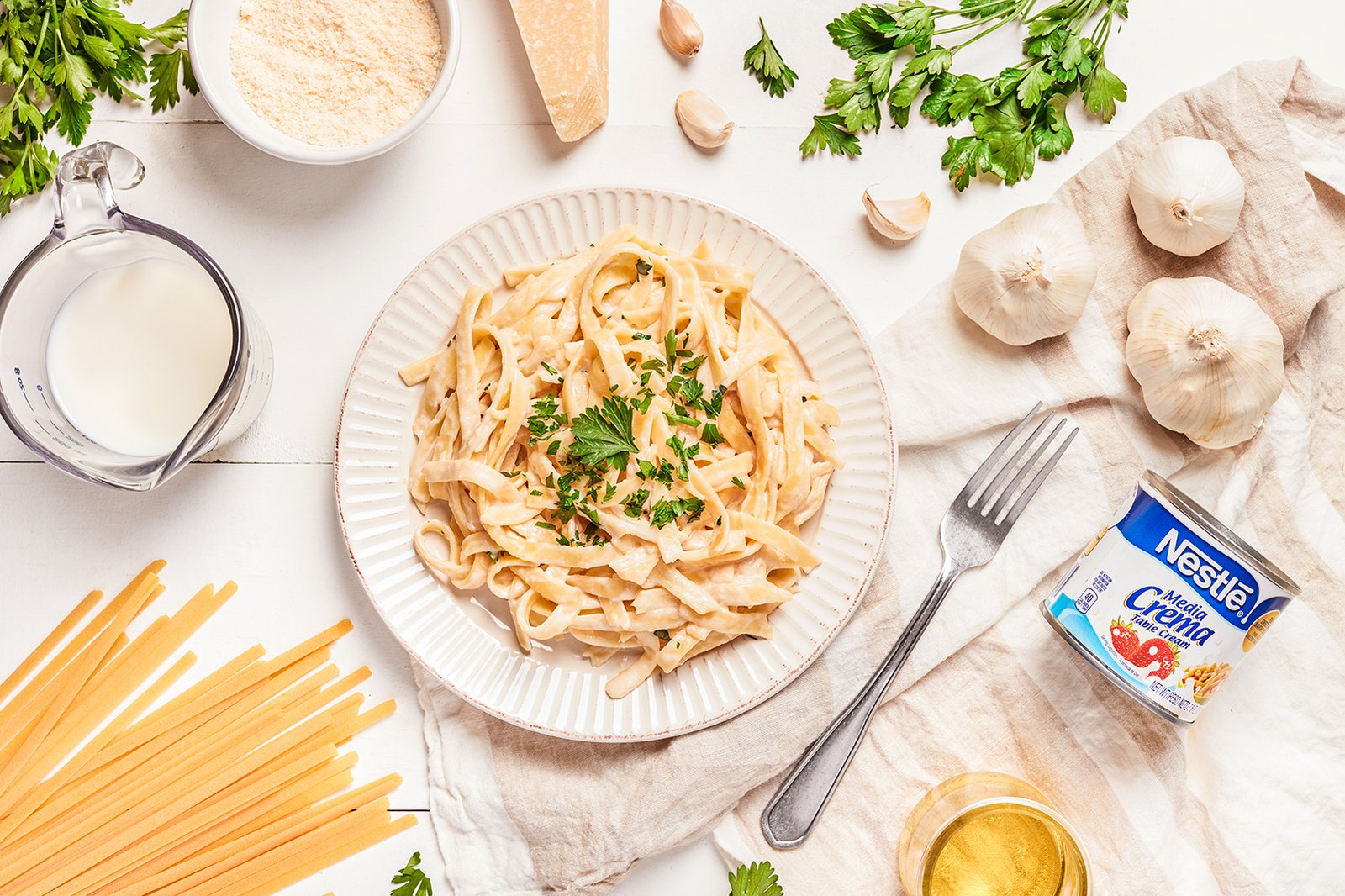
Making a rich, silky, and restaurant-quality Alfredo sauce at home is far easier than most people think. With just a few simple ingredients and the right techniques, you can create a sauce that tastes better than anything from a jar. This informative article dives deep into ingredients, techniques, variations, and common mistakes to avoid, giving you everything you need to master how to make alfredo sauce with confidence.
Understanding the Origins of Alfredo Sauce
Before learning how to create the perfect version at home, it helps to understand where Alfredo sauce comes from. The original dish, Fettuccine Alfredo, was created in early 20th-century Rome by Alfredo di Lelio. Surprisingly, his recipe was extremely simple—just butter and Parmesan mixed with starchy pasta water.
As the dish made its way to the United States, chefs adapted it using heavy cream, garlic, and additional seasonings. The modern version is richer, creamier, and more stable, making it ideal for home cooking. Understanding this evolution helps explain why ingredients and techniques matter.
Essential Ingredients for Authentic Alfredo Sauce
To master how to make alfredo sauce, start with high-quality ingredients. Alfredo sauce uses few components, so each one plays a vital role in flavor and texture.
1. Butter
Unsalted butter is preferred because it allows better control over the salt level. Butter lays the foundation of the sauce and provides richness.
2. Heavy Cream
Cream thickens as it simmers, creating the velvety consistency Alfredo sauce is famous for. Using low-fat alternatives results in a thinner, less stable sauce.
3. Garlic (Optional but Flavorful)
Many American recipes include sautéed garlic to add aroma and depth. Although not in the traditional Italian version, garlic is now widely enjoyed.
4. Parmesan Cheese
Freshly grated Parmesan is non-negotiable. Pre-shredded cheese contains anti-caking agents that prevent smooth melting. For best results, grate it from a block.
5. Salt and Pepper
These determine balance. Use black or white pepper—either enhances the creaminess.
6. Nutmeg (Optional)
Just a pinch adds warmth and depth without overpowering the sauce.
High-quality ingredients alone cannot guarantee perfect results—you also need correct cooking techniques.
Step-by-Step Instructions: How to Make Alfredo Sauce the Right Way
Learning how to make alfredo sauce involves understanding heat control, timing, and proper mixing. Here is a reliable, beginner-friendly method.
Step 1: Melt the Butter
Begin by melting butter over medium-low heat. Avoid high heat, which can brown the butter and change the flavor.
Step 2: Add Garlic
If using garlic, sauté it gently for about one minute until fragrant. It should not darken or burn.
Step 3: Pour in the Heavy Cream
Slowly add the heavy cream and stir. Allow the mixture to warm up and start bubbling softly. Maintain a low simmer—this is crucial to prevent scorching while thickening the sauce.
Step 4: Reduce the Sauce
Let the cream simmer for a few minutes. The longer it reduces (without boiling vigorously), the thicker your final sauce will be.
Step 5: Add Parmesan Cheese
Remove the pan from direct heat when adding Parmesan. This prevents clumping and ensures smooth melting. Stir until the cheese fully incorporates.
Step 6: Season the Sauce
Add salt, pepper, and a tiny pinch of nutmeg if desired. Taste and adjust carefully.
Step 7: Combine With Pasta
Alfredo sauce should be mixed with warm pasta immediately. Toss everything together so the sauce coats each strand evenly.
Mastering these steps ensures consistent, restaurant-quality results every time.
The Science Behind a Smooth Alfredo Sauce
If you’re studying how to make alfredo sauce, it’s helpful to understand the science behind why it turns silky or why it sometimes breaks.
Why It Gets Creamy
The combination of butterfat from cream and the melting proteins in Parmesan creates an emulsion. Gentle heat and constant stirring help these elements blend smoothly.
Why It Curds or Breaks
A broken sauce often results from:
- Adding cheese over high heat
- Using pre-shredded cheese
- Boiling instead of simmering
- Using low-fat cream
Understanding these factors helps you prevent mistakes and correct them when needed.
Common Mistakes to Avoid When Making Alfredo Sauce
Even simple recipes can go wrong. Here are mistakes many beginners make when learning how to make alfredo sauce, along with how to avoid them.
1. Overheating the Sauce
High heat makes cream separate and Parmesan clump. Keep the heat low and steady.
2. Adding Cheese Too Early
Cheese must be added after taking the sauce off direct heat.
3. Using Cheap or Pre-Packaged Cheese
These do not melt well and lead to grainy sauce.
4. Not Stirring Enough
Consistent stirring promotes even heating and prevents burning.
5. Making It Too Thick or Too Thin
If too thick, add a splash of pasta water.
If too thin, simmer longer without boiling.
Delicious Variations of Alfredo Sauce
Once you fully understand how to make alfredo sauce, you can experiment with creative variations.
1. Garlic Alfredo
Add roasted garlic for deeper, sweeter flavor.
2. Chicken Alfredo
Mix grilled or pan-seared chicken breasts into the final dish.
3. Shrimp Alfredo
Toss sautéed shrimp into the sauce for a seafood twist.
4. Broccoli Alfredo
Add steamed broccoli for a lighter, vegetable-forward dish.
5. Low-Carb or Keto Alfredo
Use zucchini noodles or spaghetti squash instead of pasta.
Each variation keeps the creamy base intact while adding new flavors.
Storage and Reheating Tips
Proper storage is crucial for maintaining flavor and texture.
Refrigeration
Store leftover Alfredo sauce in an airtight container for up to 3 days.
Reheating
Reheat slowly over low heat with:
- A splash of milk
- A splash of cream
- A little pasta water
This restores creaminess and prevents separation.
Freezing
Alfredo sauce does not freeze well because the dairy can separate. It’s better enjoyed fresh.
Nutritional Overview
While Alfredo sauce is rich and indulgent, understanding its nutrition helps you enjoy it mindfully.
Typical Nutritional Breakdown (Per Serving)
- High in healthy fats from butter and heavy cream
- Contains protein from Parmesan cheese
- Low in sugar and carbs
- Naturally gluten-free
For lighter versions, you can reduce cream or substitute with half-and-half, though texture will vary.
(FAQs)
1. Can I make Alfredo sauce without heavy cream?
Yes**, but the texture will differ. Using half-and-half, whole milk, or a butter-flour roux creates a lighter sauce, though not as authentic or creamy.
2. Why does my Alfredo sauce taste grainy?
Graininess usually comes from pre-shredded cheese or overheating. Use fresh Parmesan and gentle heat.
3. How can I thicken Alfredo sauce naturally?
Simply simmer longer. Reduction thickens the sauce without adding flour.
4. Is Alfredo sauce gluten-free?
Traditional Alfredo sauce is naturally gluten-free because it contains no flour.
5. Can I make Alfredo sauce ahead of time?
You can, but it is best served fresh. If reheating, add a little cream or pasta water to restore smoothness.
Final Thoughts
Now that you know how to make alfredo sauce, you can confidently prepare a creamy, flavorful, and satisfying pasta dish anytime. With high-quality ingredients, proper technique, and attention to detail, your homemade Alfredo sauce will surpass restaurant versions and store-bought jars. Whether you stick to the classic recipe or explore creative variations, the methods in this article ensure delicious results—and help your content perform well in search rankings.
More Details : How to Screen Record on iPhone: A Complete Informative Guide