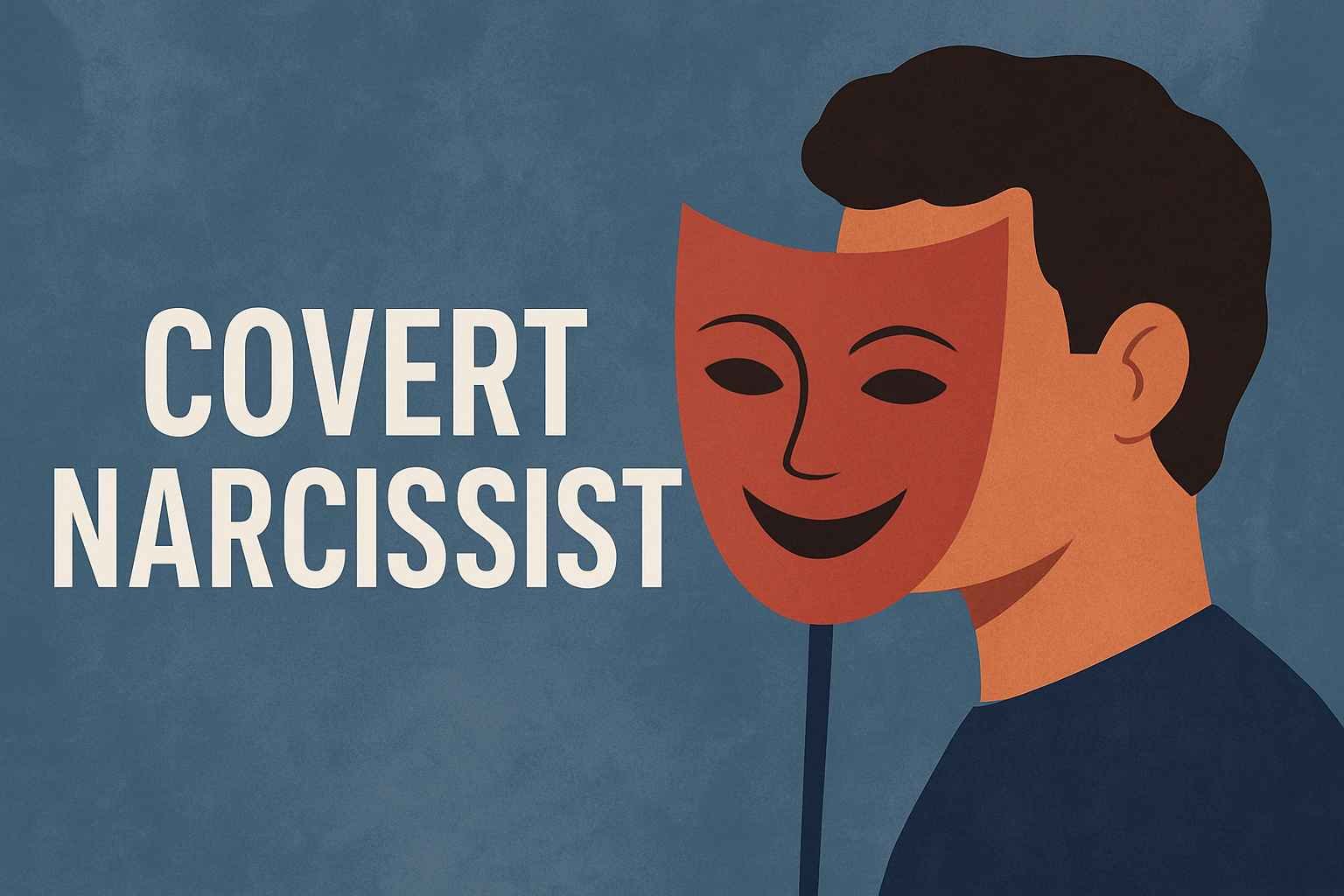
When most people hear the term narcissism, they imagine someone bold, arrogant, and outwardly self-centered. Yet there is another, far more subtle expression—one that operates through quiet manipulation rather than overt dominance. This personality profile is known as a covert narcissist, and its traits can be difficult to detect because they are masked behind vulnerability, sensitivity, or passive behavior. Understanding this hidden form is essential for recognizing emotional manipulation that does not look like the traditional version.
How a Covert Narcissist Differs From the Overt Type
The most distinct feature of a covert narcissist is the way they express their need for admiration. Instead of demanding praise openly, they seek it indirectly, often positioning themselves as misunderstood, unappreciated, or quietly superior. While overt narcissists thrive on attention and status, covert ones present themselves as humble or fragile. This subtle demeanor allows them to influence others without appearing controlling. Their emotional strategies operate in the background, making their behavior harder to identify and address.
Internal Fragility Behind the Passive Exterior
Although a covert narcissist may appear calm or withdrawn, their internal world is filled with self-doubt, hypersensitivity, and a constant need for validation. Their sense of self-worth is unstable, requiring frequent reassurance from others—yet they rarely ask for it openly. Instead, they may use indirect methods such as selective silence, guilt-tripping, or subtle comments that prompt sympathy. These tactics provide emotional supply without the risk of being seen as needy or demanding.
Patterns of Emotional Manipulation
One of the most important reasons to understand covert narcissism is the impact it has on personal relationships. A covert narcissist often uses quiet manipulation to maintain control. This may appear as feigned confusion, strategic helplessness, or subtle blame-shifting. Rather than erupting in anger, they may express disappointment in a way that makes others feel responsible for their emotions. Their communication is wrapped in passive-aggressive tones, which keep partners, friends, or colleagues off balance and unsure of how to respond.
The Role of Victimhood in Their Behavior
Victimhood is a central part of how a covert narcissist maintains influence. They may describe themselves as constantly mistreated, misunderstood, or overlooked. This narrative encourages others to offer support, attention, and reassurance, reinforcing their hidden need for admiration. Victim posturing also protects them from accountability; criticism can be dismissed as an attack, and responsibility can be avoided by shifting the focus onto their suffering. This emotional pattern creates an environment where the narcissist remains the center of attention, even while appearing modest.
The Impact on Romantic Relationships
Romantic partners often struggle the most with the subtle traits of a covert narcissist. Relationships may begin with kindness, sensitivity, and deep emotional conversations that create an intense bond. Over time, however, the partner may experience confusion, mixed messages, and emotional distancing. The covert narcissist may withhold affection, avoid direct conflict, or use guilt to regain control. This pattern creates an emotional rollercoaster that leaves partners questioning their own actions and trying harder to maintain harmony, even when the root cause lies in the narcissist’s internal insecurity.
Friendships and Social Dynamics
In social circles, a covert narcissist often appears introverted or modest. They may avoid large groups but thrive in small circles where they can subtly influence others. They may use intelligence, moral superiority, or emotional depth as tools to appear unique. When challenged, they may retreat into silence or offer subtle criticisms disguised as concern. Their social relationships often revolve around people who provide validation, emotional support, or admiration in indirect ways.
Covert Narcissism in Professional Settings
At work, this personality type can be particularly difficult to identify. A covert narcissist may appear quiet, diligent, and considerate, yet feel secretly entitled to recognition or special treatment. If they feel overlooked, they may express resentment through passive resistance, subtle sabotage, or strategic underperformance. They may also cultivate alliances with colleagues who admire their intelligence or sensitivity while quietly undermining those they perceive as threats. Their behavior affects team cohesion because it operates beneath the surface, making conflict difficult to trace.
Effects on the Mental Health of Others
Long-term exposure to the emotional patterns of a covert narcissist can leave others feeling drained, anxious, or uncertain of themselves. The unpredictable combination of praise, withdrawal, guilt, and passive-aggressive behavior creates emotional confusion. Individuals may find themselves apologizing often, doubting their perceptions, or feeling responsible for the narcissist’s emotions. Over time, this dynamic can contribute to chronic stress, reduced self-esteem, and difficulty trusting future relationships.
Recognizing the Warning Signs Early
Identifying a covert narcissist requires paying attention not only to what they say but how they respond to boundaries, accountability, and emotional needs. Warning signs include a tendency to feel easily wounded, blaming others for personal challenges, avoiding responsibility, and frequently positioning themselves as victims. Subtle manipulation, hidden resentment, and emotional distancing are also common. Understanding these signs helps individuals navigate relationships more effectively and protects them from becoming entangled in emotionally damaging dynamics.
Healthy Strategies for Setting Boundaries
Setting boundaries with a covert narcissist requires clarity and consistency. Because they avoid direct conflict, they may attempt to bypass or ignore boundaries through emotional strategies. It is important to stay firm, avoid over-explaining, and resist being drawn into guilt-based discussions. Emotional detachment, selective communication, and self-care help maintain balance. When boundaries are clearly defined, it becomes easier to protect personal well-being and limit the influence of manipulative behavior.
Healing After a Difficult Relationship
Recovering from a relationship with a covert narcissist involves rebuilding self-confidence and re-establishing emotional stability. Many people need time to process the manipulation they experienced, especially because covert behaviors are easy to overlook in the moment. Healing may include therapy, journaling, supportive friendships, or learning new communication skills. Understanding the psychological patterns involved can restore clarity and help individuals develop healthier future relationships. Reflection and education play a major role in reclaiming personal power.
The Importance of Emotional Awareness
Developing emotional awareness is one of the most effective ways to handle or avoid covert narcissistic behavior. Recognizing emotional manipulation, noticing passive-aggressive responses, and understanding the motivations behind indirect communication can prevent confusion and self-blame. Emotional awareness empowers individuals to respond thoughtfully rather than reactively, reducing the narcissist’s ability to control situations through subtle tactics. This skill becomes particularly valuable in personal relationships and professional environments where boundaries are tested.
Supporting Others Who Encounter This Behavior
When someone you know is involved with a covert narcissist, supportive listening is essential. People often feel isolated because the manipulative behavior is so subtle that outsiders may not notice. Offering validation, encouraging boundary-setting, and helping them understand the psychological dynamics can make a significant difference. Avoid judgment or pressuring them to act quickly; instead, provide steady support as they gain clarity and confidence. Awareness and education are powerful tools in breaking free from emotional manipulation.
More Details : Choice Home Warranty George Foreman – Benefits, Coverage & Complete Guide
FAQs
1. What differentiates a covert narcissist from an overt one?
A covert narcissist expresses their need for admiration indirectly, often appearing sensitive or withdrawn instead of openly attention-seeking.
2. Can a covert narcissist appear empathetic?
Yes. They may display surface-level empathy, but it often serves their emotional needs rather than genuine concern.
3. Do covert narcissists know what they are doing?
Some behaviors are intentional, while others are unconscious coping mechanisms developed to protect fragile self-esteem.
4. Can relationships with covert narcissists improve?
Improvement is possible only if they acknowledge their patterns and commit to consistent psychological work, which is uncommon.
5. How can someone protect themselves?
Clear boundaries, emotional awareness, and limiting reactive communication are the most effective strategies.