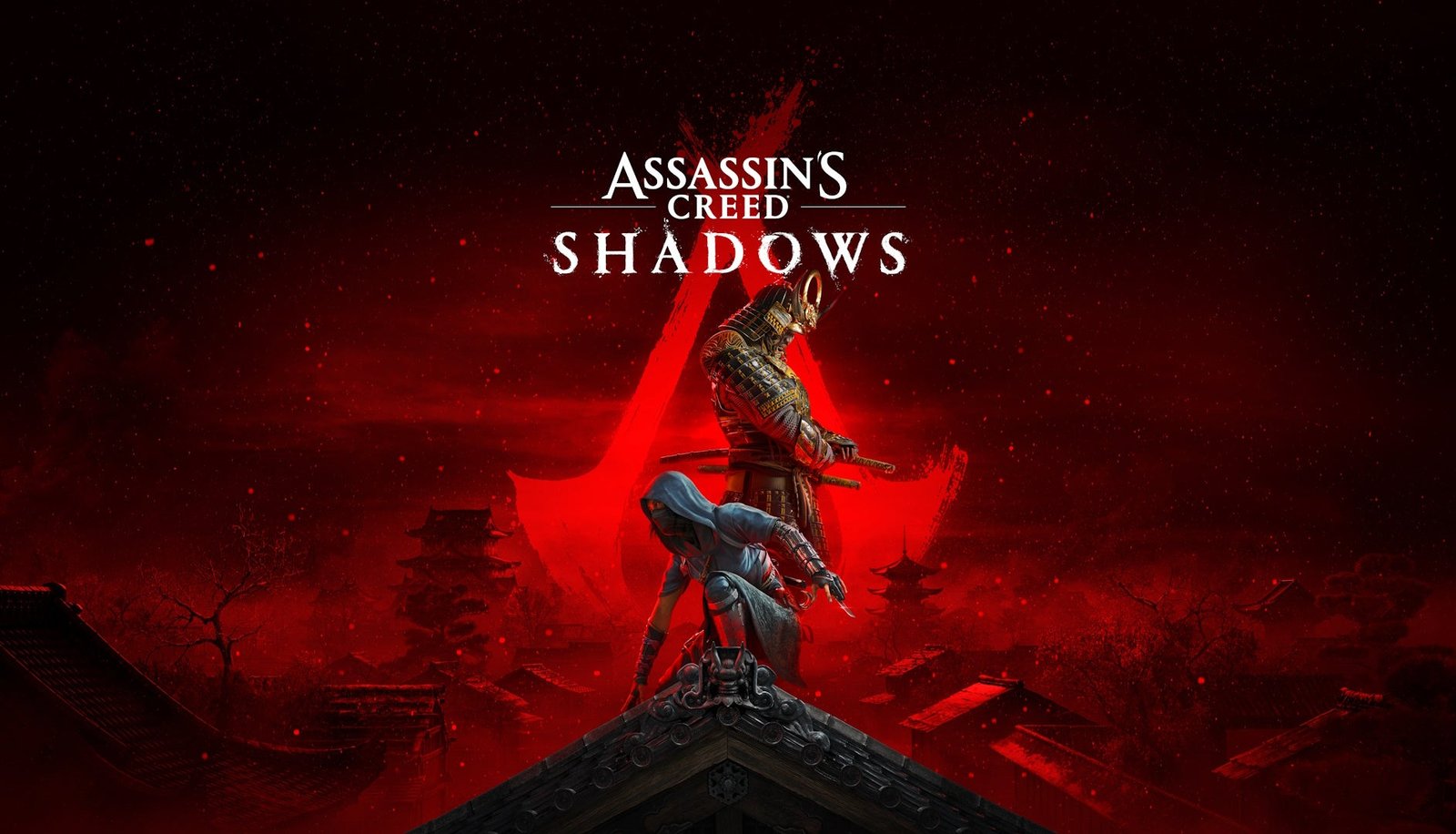
Among modern open-world action RPGs, few titles have stirred as much discussion as Assassin’s Creed Shadows. While anticipation soared due to its long-awaited Japanese setting, the community response has become deeply divided. Some players praise the game’s ambitious systems, advanced mechanics, and historical authenticity. Others argue that the franchise has drifted too far from its roots.
This article breaks down the true reasons behind this divide—focusing on design philosophy, technical decisions, narrative structure, and gameplay systems.
A Japanese Setting Fans Wanted for Years
For more than a decade, fans requested a Japanese-era Assassin’s Creed title. The time period offers political turmoil, evolving clans, social transformation, and layered cultural elements.
The developers used these historical foundations to craft a world built on realism and atmospheric depth. Landscapes feel organic, cities reflect class divisions, and villages showcase authentic daily life.
However, expectations were extremely high. Many expected a traditional approach; instead, the game leans heavily into systemic gameplay and RPG structure, surprising a portion of long-time fans.
Dual Protagonists and the Shift in Storytelling
One of the game’s biggest innovations is the dual-protagonist structure. Instead of a single viewpoint, players follow two characters whose skills and philosophies oppose each other.
This design choice expands storytelling possibilities:
- One character excels in stealth, infiltration, and silent takedowns.
- The other focuses on power, skill, and direct confrontation.
The contrast enriches narrative pacing, but it also introduces challenges. Some players feel the story shifts too frequently, while others believe the dual approach adds variety and replay value. Balancing two arcs demands careful pacing—something that not all fans interpret the same way.
Systemic Gameplay That Reacts to Player Behavior
A core pillar of Assassin’s Creed Shadows is its dynamic simulation system. Light, sound, weather, enemy awareness, and time-of-day all shape mission outcomes. Instead of preset patterns, guards respond organically. Rain can muffle footsteps; darkness creates opportunities; crowds offer cover.
These elements add realism and depth, but they also create a steeper learning curve. Players accustomed to predictable mission structures may need time to adapt. Supporters call it “the most immersive design in the series,” while critics argue it complicates what was once straightforward gameplay.
A More Mature Combat System
Combat has undergone a major redesign. Unlike past entries that leaned toward fluid, fast-paced action, the combat here emphasizes weight, timing, and precision.
Key features include:
- Realistic weapon handling
- Parry-focused duels
- Stamina-based decision-making
- High-risk enemy encounters
Fans of authentic combat praise these improvements, noting that battles feel grounded and cinematic. Others miss the quicker, combo-heavy style of older games. The new system rewards patience and strategy rather than aggression.
Stealth That Rewards Intelligence Over Speed
Stealth is one of the strongest aspects of the game. The renewed focus on shadows, silence, environment use, and careful planning marks a return to more traditional stealth values.
Players can:
- Manipulate light sources
- Distract enemies with tools
- Track sound propagation
- Use elevation and architecture strategically
This modern stealth design is widely respected by genre fans, though some players new to stealth mechanics find it challenging. The game demands attention to detail, making each infiltration feel unique.
A Reimagined World Structure
Instead of a massive map filled with repetitive objectives, the world adopts a curated design philosophy. Villages, castles, and wilderness areas are handcrafted for narrative depth and discovery. The focus is on fewer, richer locations rather than overwhelming scale.
This shift promotes immersion, but some fans accustomed to icon-heavy maps feel less guided. Ubisoft’s intent is clearly to encourage exploration based on curiosity rather than checklists.
The Role of History and Cultural Research
The development team collaborated with historians, cultural advisors, and linguistic experts to ensure accurate representation. Architecture, attire, traditions, and political tensions reflect real events where possible.
However, like all historical fiction, the game takes narrative liberties for drama and pacing. Most players appreciate the balance, though a small group critiques deviations from strict accuracy. Overall, the representation is considered one of the most carefully researched in the franchise.
Technical Ambition and Hardware Demands
The game makes full use of modern hardware. Advanced lighting, detailed foliage, motion-captured animations, and weather systems elevate visual fidelity dramatically.
With these advancements come higher system requirements. Some players celebrate the leap forward, while others worry about accessibility for older hardware. This has sparked debate over whether the franchise should prioritize cutting-edge visuals or broader compatibility.
Why the Community Is Divided
The divided response to Assassin’s Creed Shadows stems from one primary factor: differing expectations.
- Players who enjoy RPG mechanics, experimental systems, and technical ambition praise the game as a bold evolution.
- Players who prefer the classic formula—focused stealth missions, linear storytelling, and simple progression—feel the franchise has shifted too far.
Neither view is wrong. The series has grown beyond a single identity, and its audience now spans multiple genres and playstyles. The debate illustrates how challenging it is for a long-running franchise to innovate while honoring its origins.
More Details : Player 333: The Dark Heart of the Squid Game Saga
FAQs
1. What makes Assassin’s Creed Shadows different from previous titles?
It uses dynamic simulation systems, dual protagonists, and advanced combat mechanics, creating a more immersive and reactive world.
2. Is this game more focused on stealth or combat?
Both are important, but stealth has been redesigned with deeper mechanics that reward patience and strategy.
3. Does the game follow real Japanese history?
It incorporates real historical settings and figures, blended with fictional storytelling for dramatic effect.
4. Is the world large like earlier games?
Instead of focusing on size, the game emphasizes dense, meaningful environments with handcrafted detail.
5. Will newcomers enjoy the game?
Yes, although some mechanics require learning, new players can adapt quickly and choose a playstyle that fits them.