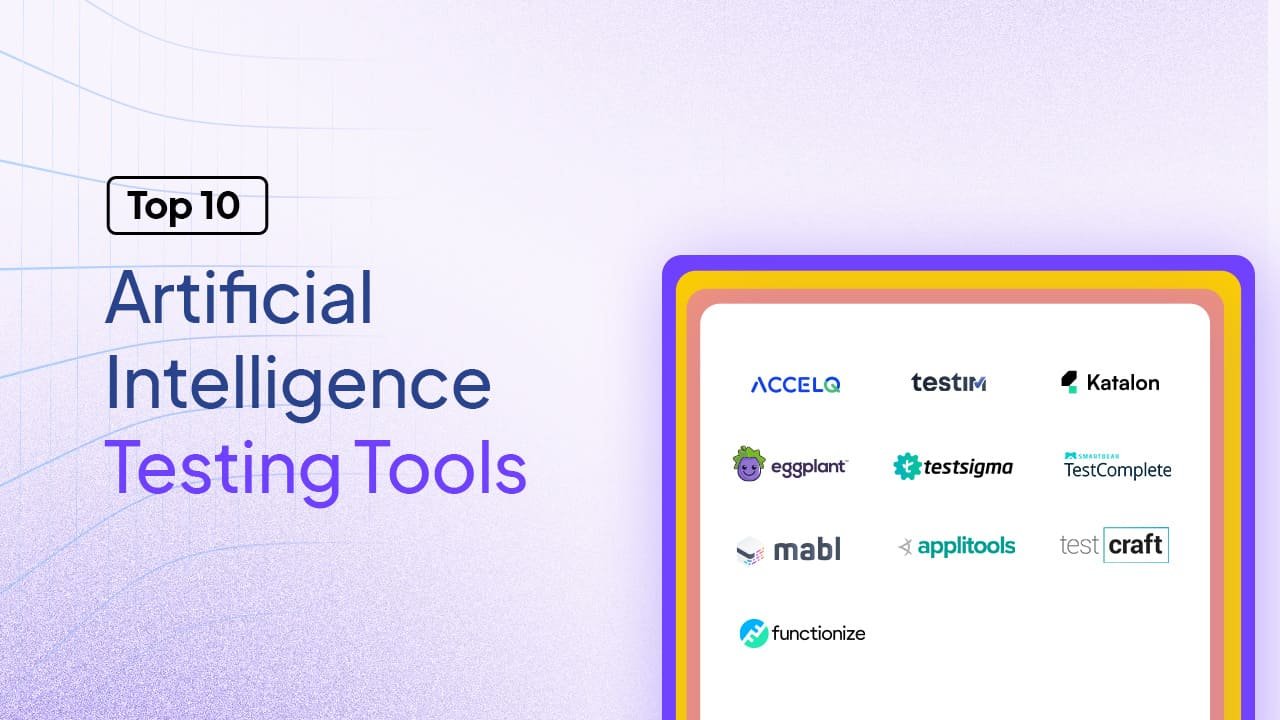
As web applications grow more complex, traditional manual tests and static automation scripts are no longer enough. AI testing tools introduce intelligent, adaptive, and scalable solutions that enhance speed, accuracy, and precision across the software development lifecycle (SDLC). Beyond automating repetitive tasks, these platforms optimize test coverage, learn from patterns, and predict potential errors before they occur, making AI software testing essential for modern QA practices.
Why Traditional Testing Falls Short for Modern Web Apps?
Legacy testing approaches often struggle to keep pace with today’s fast-moving applications:
- Slow feedback & outdated scripts: Manual tests and static automation cannot match agile development cycles.
- High maintenance costs: Continuous manual updates and limited scalability strain QA teams.
- Inadequate coverage: Modern SPAs, dynamic content, APIs, and security threats require broader testing strategies.
- Limited automation scope: E2E and continuous assessments are hard to achieve.
In contrast, next-gen AI testing tools bring:
- Automated tests for recurring workflows
- Agile and continuous testing integration
- Performance, usability, and security validations
What Are AI Testing Tools in QA and Software Testing?
These are advanced platforms that leverage Machine Learning (ML) and AI to automate, optimize, and enhance the testing process. Key capabilities include:
- Self-Healing: Auto-update broken scripts when UI elements change.
- Test Generation: Create test cases automatically based on user behavior or app structure.
- Test Optimization: Prioritize and rank test cases using risk and historical failure data.
- Visual Recognition: Detect UI components via computer vision for resilient testing.
- Predictive Analysis: Forecast potential errors or flaky tests.
- Accessibility Checks: Identify compliance issues and suggest remediation.
How AI Testing Tools Improve Web Development QA?
AI testing tools enhance web development QA by automating test creation, self-healing scripts, and risk-based coverage, ensuring faster, more accurate testing. They also improve UI consistency, accessibility compliance, and seamless CI/CD integration for reliable releases.
- Rapid Test Generation & Maintenance: Generate test cases from user requirements, app behavior, or DOM changes. Self-healing ensures tests remain stable without constant manual updates.
- Intelligent Test Coverage: AI analyzes code changes, past failures, and user patterns to prioritize high-risk areas, enabling AI software testing with precision.
- Enhanced Visual & UI Tests: Pixel-level verification ensures UI consistency and reduces regression errors.
- Automated Accessibility Testing: AI tools automatically detect WCAG violations, color contrast issues, and simulate assistive technology use.
- Seamless CI/CD Integration: Smart orchestration within DevOps pipelines allows continuous testing with rapid feedback loops.
- Reduction of Flaky Tests: AI identifies unstable tests and recommends fixes, ensuring accurate results.
- Collaboration Across Teams: NLP and low-code/no-code features enable developers, testers, and product owners to co-create tests in real-time.
Accessibility Testing: A Vital Use Case
Modern web applications must be accessible to all users, including those with disabilities. Manual accessibility audits are error-prone and slow. AI testing tools provide automated, context-aware, and continuous accessibility validation:
- Scan pages for missing alt text, keyboard issues, and improper color contrast
- Understand visual hierarchy and layout intent
- Simulate real-world assistive technology usage
- Integrate accessibility checks into CI/CD pipelines
Leading AI Testing Tools and Platforms
- LambdaTest: LambdaTest is a GenAI-native test execution platform that allows you to perform manual and automated testing at scale across 3,000+ browsers and OS combinations.
- ACCELQ: Zero-code AI software testing platform for web, mobile, API, and backend testing with accessibility integration.
- Axe DevTools (Deque): Automated accessibility testing with WCAG violation detection and guided remediation.
- Katalon Studio: Full-stack AI-powered testing with visual design, impact analysis, and accessibility plugins.
- Google Lighthouse: Rule-based audits for performance and accessibility within Chrome DevTools.
Key Features of Next-Gen AI Testing Tools
- Self-Healing Automation: AI automatically updates scripts for UI or DOM changes.
- Smart Test Generation: Suggests or auto-generates test cases based on code changes and user patterns.
- Risk-Based Test Prioritization: Focuses on tests with the highest impact and likelihood of failure.
- Visual Testing: Detects subtle UI regressions and layout shifts.
- No-Code & NLP Interfaces: Enable non-technical users to create and manage tests efficiently.
- Integrated Accessibility Checks: Ensures compliance with WCAG, ADA, and Section 508 standards.
- Predictive Analytics: Identifies flaky tests and recommends optimizations.
- CI/CD and DevOps Integration: Automates testing in pipelines with actionable insights.
- Cross-Browser & Platform Testing: Run tests on multiple devices and OS combinations efficiently.
- Impact Analysis: Determines affected areas of the app after code changes for precise coverage.
Benefits for Web Development Teams
- Faster Release Cycles: Automates regression and repetitive tasks for rapid deployment.
- Reduced Maintenance: Self-healing tests minimize manual script updates.
- Early Error Detection: Risk-based testing prevents costly production issues.
- Comprehensive Coverage: Test across devices, browsers, and platforms with AI-driven insights.
- Improved Collaboration: NLP and codeless test creation bridge QA and development teams.
- Built-in Accessibility Testing: Automatic detection and remediation of accessibility issues.
- Enhanced UX & Visual Regression: Ensures consistent UI and polished frontend delivery.
- CI/CD Ready: Supports agile DevOps pipelines for continuous testing.
- Data-Driven Quality Optimization: Analytics dashboards provide actionable insights for improvements.
- Scalable Test Strategy: Adapts to modern frameworks and evolving applications.
Challenges to Consider
- Learning curve for AI/ML newcomers
- Trust and explainability of AI-based decisions
- Integration with existing tech stacks
- Tuning required to reduce false positives in visual and accessibility tests
Conclusion
Next-generation AI testing tools are redefining web development QA by combining automation, intelligence, and predictive insights. They not only accelerate testing but also enhance accessibility, visual consistency, and collaboration, making AI software testing a strategic advantage for modern software teams.