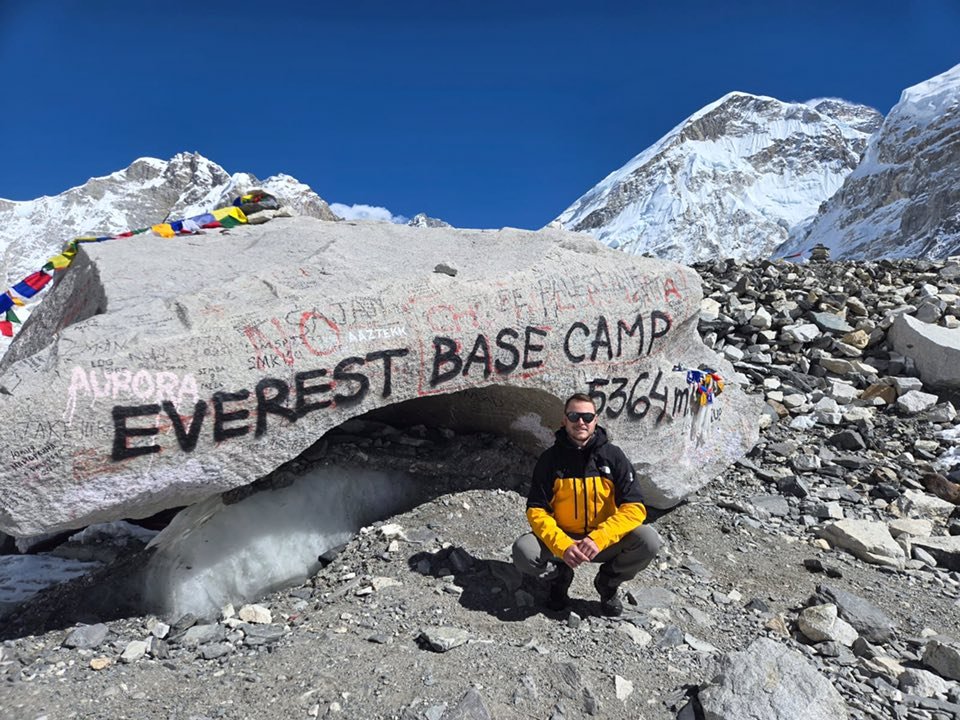
Want to stand beneath the Himalayan giants or summit a snow-capped peak? You’re not alone. Thousands of trekkers and climbers head to the Everest Base Camp trek and Island Peak climbing every year for breathtaking views and personal achievements.
But while the adventure is unforgettable, many ask: how safe are the Everest Base Camp trek and Island Peak climbing? The mountains are alluring, but the risks altitude sickness, unpredictable weather, physical demands can’t be ignored. Whether you’re a first-time trekker or aspiring mountaineer, understanding the safety landscape is key.
This guide breaks down real risks, proven safety measures and expert tips so you know what to expect and how to stay safe.
Risks of Everest Base Camp Trek and Island Peak Climbing
Trekking to Everest Base Camp (EBC) and climbing Island Peak are exciting adventures but come with real challenges. The main risks are altitude sickness, unpredictable weather and not enough fitness or preparation.
Altitude Sickness and Acclimatization
Altitude is the biggest safety concern for both EBC and Island Peak. As you go higher, oxygen levels drop and the risk of Acute Mountain Sickness (AMS) increases. In severe cases, High Altitude Pulmonary Edema (HAPE) and High Altitude Cerebral Edema (HACE) can occur.
Common AMS symptoms:
- Headache
- Dizziness
- Nausea
- Fatigue
Island Peak at 6,189 meters is higher than the EBC trek.
Safe acclimatization practices:
- Follow a gradual ascent schedule.
- Rest every 600–800 meters.
- Stay hydrated and avoid alcohol.
- Use a pulse oximeter to monitor oxygen saturation.
- Descend immediately if symptoms worsen.
Medical Disclaimer: Always consult a travel doctor before using altitude medication or planning high-altitude travel.Winter risks: Snow-blocked trails, frostbite, extreme cold.
Monsoon risks: Landslides, slippery paths, poor visibility.
Island Peak is weather sensitive—snowstorms or high winds can turn a climb into a danger. Always check updated forecasts through local agencies or mountain weather portals.
Physical Fitness and Preparation
Both EBC and Island Peak require endurance. EBC is non-technical while Island Peak requires additional strength and basic mountaineering skills.
Recommended preparation:
- Cardiovascular training (running, hiking, cycling)
- Strength exercises focusing on legs and core
- Long hikes with a loaded backpack
- Mountaineering or indoor wall climbing practice
Mental preparation is equally important slow progress, cold temperatures and challenging terrain can be mentally taxing.
How Safe is the Everest Base Camp Trek for Beginners?
The Everest Base Camp trek is popular among beginners due to well-maintained trails and strong local infrastructure.
Trail Conditions and Infrastructure
The route to EBC is well-established with clear pathways, signage and frequent teahouses offering meals, accommodation and rest.
You’ll also find:
- Wi-Fi and phone network in many villages
- Emergency health posts
- Teahouses with satellite phones
Still, trail safety shouldn’t be underestimated. Slippery terrain, long walking days and altitude related fatigue can be risks. Proper boots, trekking poles and layered clothing improve safety.
Guided vs Independent Trekking Safety
While solo trekking is allowed, beginners benefit from hiring a licensed guide or porter.
Guides provide:
- Altitude sickness monitoring
- First-aid and emergency knowledge
- Navigation support
- Cultural insights
Porters lighten your load, so you can manage your energy better.
Independent trekking is possible but increases risks especially during emergencies or bad weather.
Is Island Peak Climbing Safe for Non-Technical Climbers?
Island Peak is often called a “trekking peak” but this title can be misleading. It’s accessible but still a technical climb requiring proper training, equipment and support.
Technical Skills and Equipment Required
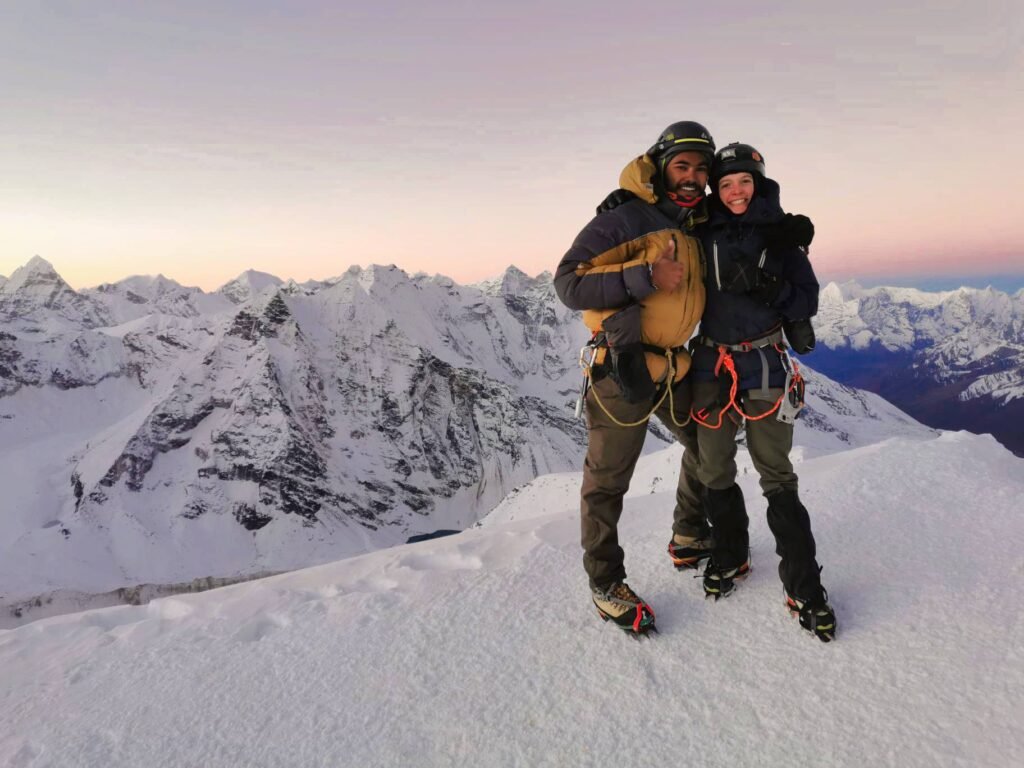
Island Peak involves glacier travel, fixed rope climbing and tackling a steep ice wall near the summit.
Required gear:
- Mountaineering boots and crampons
- Helmet and climbing harness
- Ice axe and ascender (jumar)
- Fixed rope systems and carabinersBasic mountaineering skills—like walking in crampons or ascending fixed lines—are required. Most climbing teams do training at Island Peak Base Camp.
Tip: Taking a mountaineering course before your trip will increase safety and confidence.
Role of Climbing Guides and Support Teams
A certified climbing guide is essential for a safe Island Peak ascent. Guides monitor weather, set fixed lines, manage rope safety and make critical decisions.
Sherpa support teams handle logistics, carry gear and support summit pushes. Their experience and knowledge of the terrain reduces risks.
Emergency Response and Rescue Options in the Everest Region
Even with the best preparation, emergencies can happen. Fortunately the Everest region has a good rescue and medical support system.
Helicopter Evacuation and Insurance
Helicopter evacuation is the fastest way to treat serious altitude sickness or injuries. Many villages along the EBC and Island Peak route have a helipad.
Evacuations cost USD 3,000–6,000 depending on location and weather.
Your insurance MUST cover:
- High-altitude helicopter rescue
- Medical treatment in Kathmandu
- Trip interruption
Carry a digital and printed copy of your insurance.
Local Medical Facilities and Clinics
Altitude clinics like the Himalayan Rescue Association (HRA) in Pheriche offer:
- AMS diagnosis and counseling
- Oxygen therapy
- Emergency treatment
Health posts in smaller villages have limited facilities, so serious cases need evacuation.
Tips to Stay Safe on the Everest Base Camp Trek and Island Peak Climb
Safety in the Himalayas depends on preparation, awareness and thoughtful decision making. The terrain, altitude and weather can be challenging but with the right strategy both the Everest Base Camp trek and Island Peak climb can be done safely and confidently.
Choose a Reputable Trekking Company
Picking the right trekking company is one of the most important safety decisions you will make. A good operator will have a well-planned itinerary, experienced staff, reliable equipment and proper risk management.
Look for a company with:
- Government registration and all required permits
- Experienced, certified guides and climbing leaders (preferably with high-altitude training)
- A good safety record and clear emergency protocols
- Small group sizes for personalized attention
- Proper gear checks, training sessions and contingency plans
Before booking, ask about:
- Guide training and experience on Island Peak specifically### Availability of Equipment
- Oxygen cylinders\
- Pulse oximeters\
- First-aid kits
Guide Training
- CPR\
- High-altitude response
Evacuation Procedures and Communication Tools
- Satellite phones\
- Radios
Follow an Itinerary with Acclimatization Days
Altitude sickness is the biggest risk in the Everest region. The best prevention is a well-paced itinerary that gives your body time to adjust.
Recommended acclimatization schedules:
- Everest Base Camp Trek: 12-14 days with mandatory acclimatization stops in Namche Bazaar and Dingboche\
- Island Peak Climb: Add 3-4 days for extra acclimatization, skills training and summit prep
A good itinerary will gradually increase altitude, include short acclimatization hikes and allow flexibility on tough days. Avoid any operator offering “shortened” or “express” itineraries—they increase the risk of AMS.
Monitor Your Health and Know When to Turn Back
Your body will give you clear signs when something is wrong. Pay attention to these early signals and prevent serious altitude complications.
Common warning signs include:
- Persistent headache\
- Vomiting or nausea\
- Loss of appetite\
- Extreme fatigue\
- Disorientation or confusion\
- Shortness of breath at rest
If symptoms appear, tell your guide immediately. Don’t try to push through AMS—it can become life-threatening quickly.
Daily self-monitoring checklist:
- Use a pulse oximeter in the morning and evening\
- Track your heart rate and oxygen saturation\
- Drink 3-4 liters of water daily\
- Avoid alcohol and smoking at altitude
Sometimes the safest decision is to descend or skip the summit. The mountain will always be there—your health should come first.
Are These Adventures Safe?
Yes—the Everest Base Camp trek and Island Peak climb are safe when done with proper preparation, gradual acclimatization and an experienced support team. Thousands do these trips every year but the difference between a safe and unsafe experience lies in preparation.
Your safety foundation includes:
- A slow, well-structured itinerary\
- Strong physical and mental preparation\
- Expert guides and Sherpa support\
- Comprehensive travel and rescue insurance\
- Flexibility to adjust plans based on weather or healthWith the right attitude and the right team, these adventures offer stunning views, deep cultural immersion and personal achievement. Respect the mountains, prepare well and your trip can be both unforgettable and safe.
FAQs About Safety on Everest Base Camp and Island Peak
Is Island Peak harder than Everest Base Camp?
Yes. Island Peak is much more challenging than the Everest Base Camp trek because it involves technical mountaineering elements like crampons, fixed ropes, ascenders and ice axes. Climbers have to navigate glaciers, crevasses and a steep headwall near the summit. EBC is a high-altitude trek on well-established trails with no technical climbing required. While both require good physical fitness, Island Peak demands additional climbing skills, mental toughness and proper training.
What’s the death rate on Island Peak and EBC?
Fatalities on both routes are rare but can happen. Most incidents are related to severe altitude sickness, sudden weather changes or accidents on steep or icy terrain. Island Peak being a technical climb above 6,000 meters has slightly higher risk compared to EBC. But with proper acclimatization, an experienced guide and cautious decision making, both trips are considered safe for well-prepared participants. Reputable operators also conduct thorough safety briefings and monitor clients throughout the journey.
Can I do both EBC and Island Peak in one trip safely?
Yes. Many climbers combine the Everest Base Camp trek with an Island Peak ascent. In fact, trekking to Base Camp first helps your body acclimatize before tackling higher elevations. The key to safety is to make sure your itinerary has enough acclimatization days, rest periods between strenuous sections and time for basic mountaineering training at Island Peak Base Camp. Avoid rushed schedules—giving your body time to adapt increases your summit success rate and reduces risks.
When is the safest time to climb Island Peak?
The two best seasons are Spring (March–May) and Autumn (late September–November). These periods have stable weather, clear skies, safer snow conditions and moderate temperatures. Spring has firmer snow on the climbing route and Autumn has excellent visibility and dry conditions. Avoid winter climbs unless you are very experienced as temperatures drop very low and snowstorms are more common. Monsoon months (June–August) are wet, cloudy and route conditions are dangerous—so not suitable for climbing.