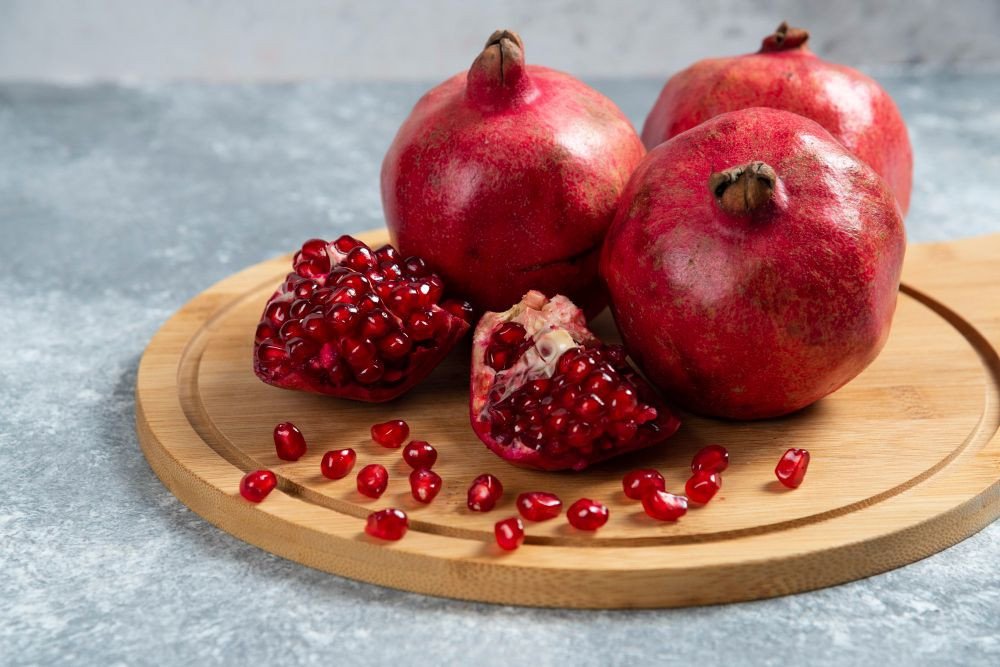
The word delima, widely known in many Asian cultures, refers to the fruit commonly recognized as the pomegranate. This jewel-like fruit has been cherished for centuries due to its incredible health benefits, cultural symbolism, and nutritional value. From ancient Persia to modern wellness circles, delima has represented fertility, longevity, and abundance. Beyond symbolism, modern science continues to uncover its role in promoting a healthy heart, glowing skin, and a strong immune system.
Historical Significance of Delima
Delima has deep roots in human history. In Greek mythology, it was considered the fruit of the underworld and a symbol of eternal life. In Islamic and Hindu traditions, delima is praised as a divine fruit mentioned in sacred texts for its purity and healing power. Ancient civilizations like the Egyptians used delima not only as food but also for medicinal and cosmetic purposes. Its strong red color was often associated with vitality and prosperity, making it a popular offering in rituals and royal feasts.
Nutritional Composition of Delima
One of the most impressive aspects of delima lies in its nutritional richness. This fruit is packed with essential vitamins, minerals, and antioxidants. A single serving contains:
- Vitamin C, K, and B-complex
- Potassium and folate
- Polyphenols such as punicalagin and ellagic acid
These compounds are scientifically proven to combat oxidative stress, reduce inflammation, and improve blood circulation. The antioxidants in delima surpass those in many other fruits, even outperforming red wine and green tea.
Health Benefits of Consuming Delima
Regular consumption of delima offers numerous health advantages:
- Heart Health: Delima juice helps lower blood pressure and cholesterol, supporting cardiovascular wellness.
- Anti-Inflammatory Properties: The antioxidants present reduce chronic inflammation that leads to diseases like arthritis.
- Cancer Prevention: Studies suggest that delima compounds may help inhibit cancer cell growth, particularly in breast and prostate cancers.
- Digestive Health: Delima aids in maintaining a balanced gut microbiome and relieves bloating or indigestion.
- Anti-Aging Effects: Its antioxidants fight free radicals, slowing skin aging and enhancing natural glow.
These scientifically backed benefits make delima a valuable addition to modern diets focused on natural health.
Delima and Skin Care
Delima is not only beneficial when eaten but also when applied topically. Extracts from delima are widely used in cosmetics and skincare products due to their rejuvenating properties. The natural compounds help in:
- Repairing damaged skin cells
- Promoting collagen production
- Protecting the skin from sun damage and pollution
- Reducing fine lines and pigmentation
Many dermatologists recommend delima-based serums and masks for individuals seeking natural beauty solutions.
Cultural and Symbolic Importance of Delima
Delima has long been a symbol of life and fertility. In many cultures, it represents the cycle of birth and renewal. For example:
- In Persian culture, delima symbolizes love and marriage.
- In Chinese traditions, it stands for prosperity and a large family.
- In Greek mythology, it is tied to Persephone, symbolizing the balance between life and death.
The universality of delima across religions and regions underlines its profound spiritual and emotional value.
Delima in Modern Medicine
Modern medical research continues to reveal the therapeutic potential of delima. Extracts are being used in the formulation of supplements and functional foods. Delima juice is prescribed for people with hypertension, while delima peel extract is studied for its antibacterial and antiviral effects. Additionally, delima seed oil has gained attention for its ability to boost hormone balance and reduce menopausal symptoms in women.
How to Incorporate Delima in Daily Diet
There are several delicious and creative ways to enjoy delima:
- Fresh Seeds: Sprinkle them on salads, desserts, or yogurt.
- Juice: Drink freshly squeezed delima juice for a morning energy boost.
- Smoothies: Blend delima seeds with banana and spinach for a nutrient-packed smoothie.
- Cooking: Use delima molasses in Middle Eastern dishes for a tangy flavor.
These simple methods ensure that you reap its health benefits without any extra effort.
Delima in Traditional Remedies
In traditional medicine systems such as Ayurveda and Chinese Medicine, delima is used for treating various ailments. The rind and bark were once boiled into herbal decoctions for digestive issues and intestinal worms. In Unani medicine, delima was used as a tonic for the heart and liver. Such traditional uses highlight the holistic role delima has played for centuries in maintaining overall wellness.
Sustainability and Cultivation of Delima
Delima is cultivated in warm climates across Asia, the Mediterranean, and parts of the Americas. Sustainable farming practices are now being adopted to ensure minimal environmental impact. Farmers are focusing on organic cultivation, using natural fertilizers and minimal water. This approach not only preserves soil health but also produces delima fruits with richer taste and higher nutrient density. With the growing global demand, delima has become an important export crop, contributing to economic growth in several regions.
Delima’s Role in Weight Management
For those aiming to lose weight naturally, delima can be an excellent dietary addition. It is low in calories and high in fiber, which promotes satiety and prevents overeating. The natural sugars in delima provide energy without spiking blood glucose levels drastically. Moreover, delima supports fat metabolism and detoxification, making it ideal for people on balanced diet plans.
Scientific Studies Supporting Delima Benefits
Recent scientific studies continue to validate the medicinal properties of delima:
- Research from the Journal of Nutrition found that delima juice significantly reduced blood pressure in just two weeks.
- Another study from Harvard Health highlighted delima’s anti-cancer potential due to its unique polyphenol structure.
- Ongoing trials are exploring its effects on memory improvement and protection against neurodegenerative diseases like Alzheimer’s.
These findings bridge the gap between ancient wisdom and modern science, confirming delima’s rightful place as a superfruit.
Precautions and Side Effects
While delima is generally safe, moderation is key. Overconsumption may cause digestive upset in sensitive individuals. Those on blood pressure or cholesterol medications should consult a healthcare provider before consuming large amounts of delima juice, as it may amplify the effects of such medicines. Pregnant and lactating women can safely enjoy delima in moderate amounts due to its nutrient-rich composition.
Conclusion
In conclusion, delima stands as one of nature’s most powerful fruits, blending tradition, nutrition, and healing. Whether viewed as a cultural emblem or a modern health booster, delima continues to prove its value in every form — from food and medicine to skincare and agriculture. Its versatility, backed by both science and heritage, ensures that delima remains a cornerstone of natural wellness for generations to come.
More Details : Is Zupfadtazak Bad for You? Complete Health Guide & FAQs
(FAQs)
1. What is delima?
Delima is the term used for the pomegranate fruit, known for its rich red seeds and numerous health benefits.
2. How often should I consume delima?
It is safe to eat delima or drink its juice 3–4 times per week as part of a balanced diet.
3. Can delima help improve skin health?
Yes, delima’s antioxidants and vitamin C content help rejuvenate skin, reduce wrinkles, and promote a natural glow.
4. Is delima good for heart health?
Absolutely. Delima juice helps lower cholesterol, reduce blood pressure, and improve overall heart function.
5. Can I use delima for weight loss?
Yes, delima is low in calories and rich in fiber, helping control appetite and support fat metabolism naturally.