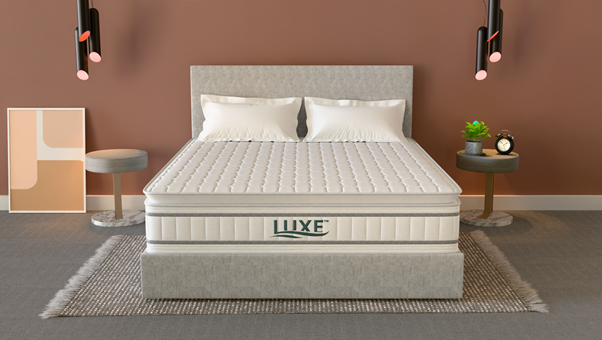
Back problems are a common concern for millions of people worldwide, and the mattress you sleep on can play a significant role in either relieving or worsening discomfort. When considering options, two popular choices are a hard mattress and a natural mattress. Both promise support, but they differ in terms of firmness, adaptability, and overall comfort. Understanding how each mattress type affects spinal alignment and pressure points can help you choose the best mattress for your back health.
Why Mattress Choice Matters for Back Problems
Your spine requires proper support while you sleep. A mattress that is too soft allows the body to sink, creating unnatural curves in the spine. This misalignment can lead to stiffness, muscle strain, and worsening of existing back problems. Conversely, a mattress that is too firm without contouring may create pressure points in the shoulders and hips, causing discomfort and interrupted sleep.
Choosing between a hard mattress and a natural mattress depends on how much firmness and adaptability your body requires. Both can help with back problems, but they achieve it in different ways.
Benefits of a Hard Mattress for Back Problems
A hard mattress is specifically designed to provide firm support. It is ideal for sleepers who need their body weight evenly supported without sinking.
Key Advantages of a Hard Mattress
- Spinal alignment: Maintains a neutral position for the spine, reducing strain on the lower back
- Stability: Offers a solid sleeping surface that prevents sagging
- Durability: High-density construction ensures the mattress retains firmness over time
- Orthopaedic support: Often recommended by healthcare professionals for individuals experiencing chronic back pain
For back and stomach sleepers, a hard mattress can significantly improve posture and reduce morning stiffness. By preventing the hips and lower back from sinking too deeply, it helps maintain proper alignment, which is crucial for managing back problems.
However, a mattress that is too firm may feel uncomfortable for side sleepers, as it does not conform to the natural curves of the body. Pressure points in the shoulders and hips can become more pronounced, potentially causing discomfort.
How a Natural Mattress Helps With Back Problems
A natural mattress often uses materials such as natural latex, organic cotton, wool, or coconut coir. These mattresses provide a balance between firm support and adaptive comfort, making them suitable for a wider range of sleepers.
Key Advantages of a Natural Mattress
- Adaptive support: Conforms to the body’s natural curves while maintaining spinal alignment
- Pressure relief: Reduces tension in sensitive areas like hips, shoulders, and lower back
- Hypoallergenic: Ideal for allergy-sensitive individuals due to chemical-free materials
- Breathable: Natural fibers allow airflow, reducing heat build-up during sleep
- Eco-friendly: Made from sustainable materials, making it a healthier choice for the environment
A natural mattress is generally medium-firm, which allows the mattress to support the spine while cushioning pressure points. This combination is particularly beneficial for people who experience discomfort on extremely firm mattresses.
Hard Mattress vs Natural Mattress: Key Differences
The main difference between a hard mattress and a natural mattress lies in their approach to support and comfort. A hard mattress provides uncompromising firmness, keeping the body flat and stable. In contrast, a natural mattress adapts to your body’s shape, distributing weight evenly and relieving pressure without sacrificing spinal alignment.
Pressure Distribution
A hard mattress may concentrate pressure in areas like the shoulders and hips, which can lead to discomfort for side sleepers. A natural mattress spreads weight across the surface, reducing the risk of pressure points and promoting more restful sleep.
Temperature and Breathability
Natural mattresses often excel in breathability because of organic fibers such as latex and cotton, preventing heat retention. Hard mattresses, depending on the materials used, can sometimes feel warmer due to less airflow.
Longevity and Durability
Both mattress types are durable. A high-quality hard mattress maintains its firmness for years, while a natural mattress resists sagging and retains its supportive qualities over time.
Which Mattress Is Better for Your Sleeping Position?
Your sleeping position can determine which mattress is more effective for back problems:
- Back sleepers: Both options work well, but a natural mattress may provide extra comfort while still supporting spinal alignment
- Stomach sleepers: A hard mattress is usually ideal to prevent the lower back from arching excessively
- Side sleepers: A natural mattress is generally better due to its pressure-relieving qualities, which cushion shoulders and hips
Final Thoughts
Deciding whether a hard mattress or a natural mattress is better for back problems depends on your comfort preferences, sleeping position, and specific spinal needs. A hard mattress offers firm, stable support and helps maintain proper posture, while a natural mattress provides adaptive support and pressure relief.
For many sleepers, the ideal solution may lie in a hybrid mattress that combines the firmness of a hard mattress with the contouring benefits of a natural mattress. This combination ensures both spinal alignment and comfort, promoting restorative sleep and reducing back pain over time.
Investing in the right mattress is an investment in your health. Whether you choose the firm support of a hard mattress or the adaptive comfort of a natural mattress, prioritizing spinal alignment and overall comfort will improve sleep quality and help prevent back problems in the long term.