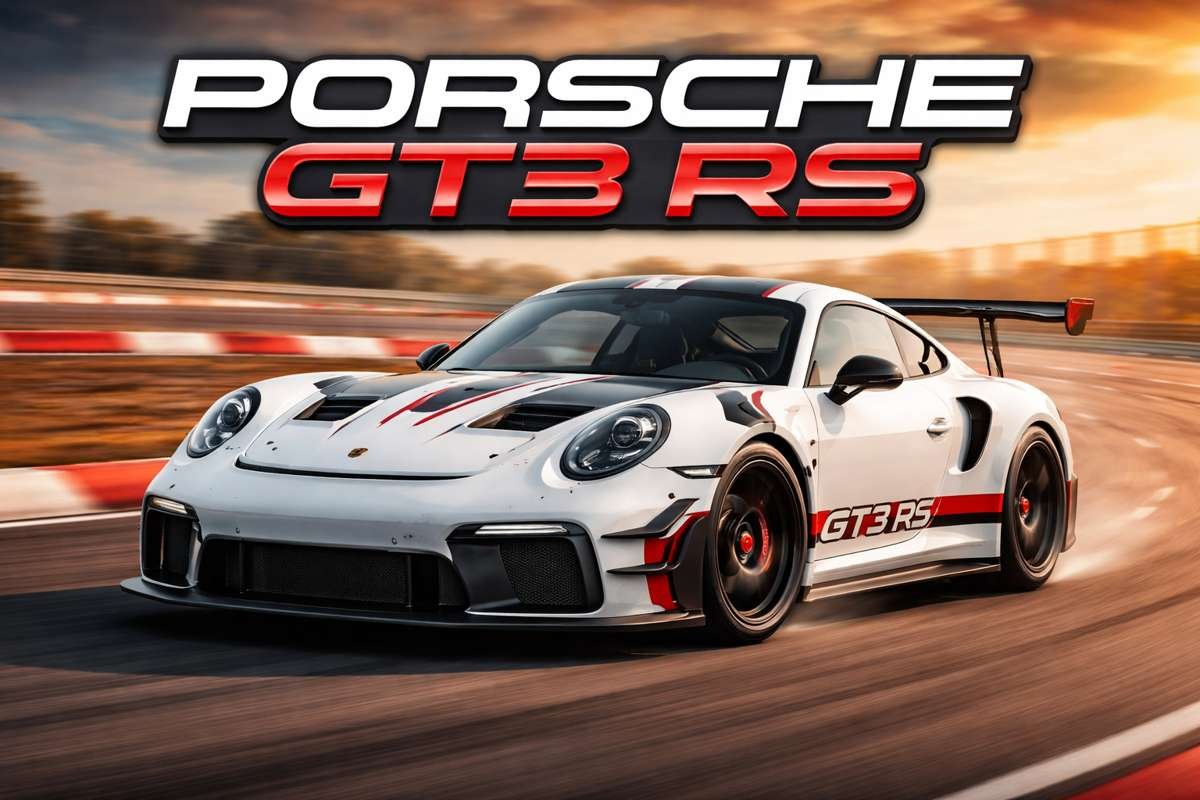
The Porsche GT3 RS stands as one of the most uncompromising performance vehicles ever developed by Porsche. Designed with a singular focus on track capability, this model blends motorsport engineering with road-legal precision. Unlike traditional supercars that balance comfort and performance, this machine prioritizes lap times, aerodynamic efficiency, and mechanical feedback above all else.
Evolution of the GT3 RS Lineage
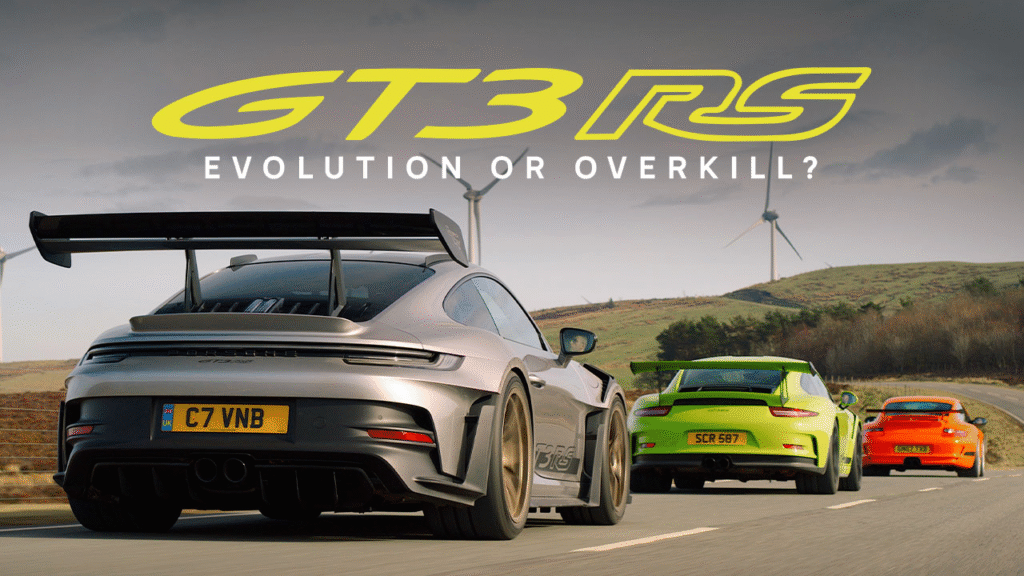
The GT3 RS lineage began as a more extreme interpretation of Porsche’s GT3 platform. Over multiple generations, Porsche refined the formula by reducing weight, increasing downforce, and improving chassis dynamics. Each iteration introduced advancements inspired directly by racing programs, making the model progressively sharper and more specialized for circuit driving.
Exterior Design Built Around Aerodynamics
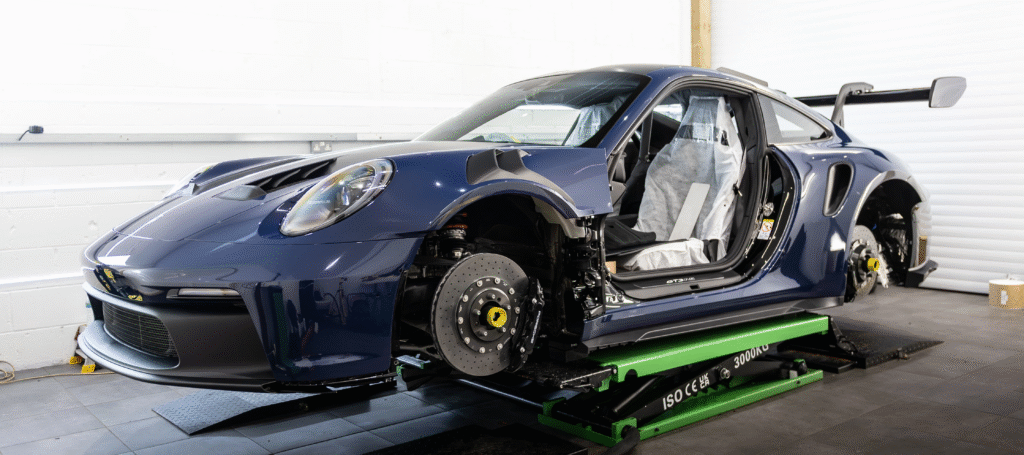
Aerodynamics define the exterior design philosophy. Every panel, vent, and wing serves a measurable performance purpose. Large air intakes improve cooling efficiency, while sculpted bodywork manages airflow around the vehicle. The oversized rear wing, front splitter, and functional vents collectively generate substantial downforce, ensuring high-speed stability and improved cornering grip.
Advanced Lightweight Construction

Weight reduction is fundamental to performance. Porsche employs extensive use of carbon fiber reinforced plastic for body panels, magnesium components for the roof, and lightweight glass for windows. These measures significantly lower overall mass while maintaining structural rigidity. Reduced weight enhances acceleration, braking efficiency, and steering responsiveness.
High-Revving Naturally Aspirated Engine
At the heart of the car is a naturally aspirated flat-six engine, a rarity in an era dominated by turbocharging. This engine delivers power linearly and thrives at high revolutions, offering precise throttle response. The absence of forced induction ensures predictable power delivery, which is critical for track precision and driver confidence.
Transmission Designed for Maximum Performance
The vehicle is equipped with a performance-optimized dual-clutch transmission. Gear changes occur with exceptional speed and accuracy, allowing uninterrupted power delivery during aggressive driving. Manual shifting via paddle controls ensures drivers maintain full control over gear selection, particularly in high-performance track environments.
Chassis Engineering and Suspension Technology
The chassis is tuned specifically for circuit dominance. Adjustable suspension components allow fine-tuning of ride height, camber, and damping settings. Porsche’s advanced suspension geometry enhances stability during high-load cornering while maintaining precise control during rapid directional changes. This setup ensures consistent performance across varying track conditions.
Precision Steering and Driver Feedback
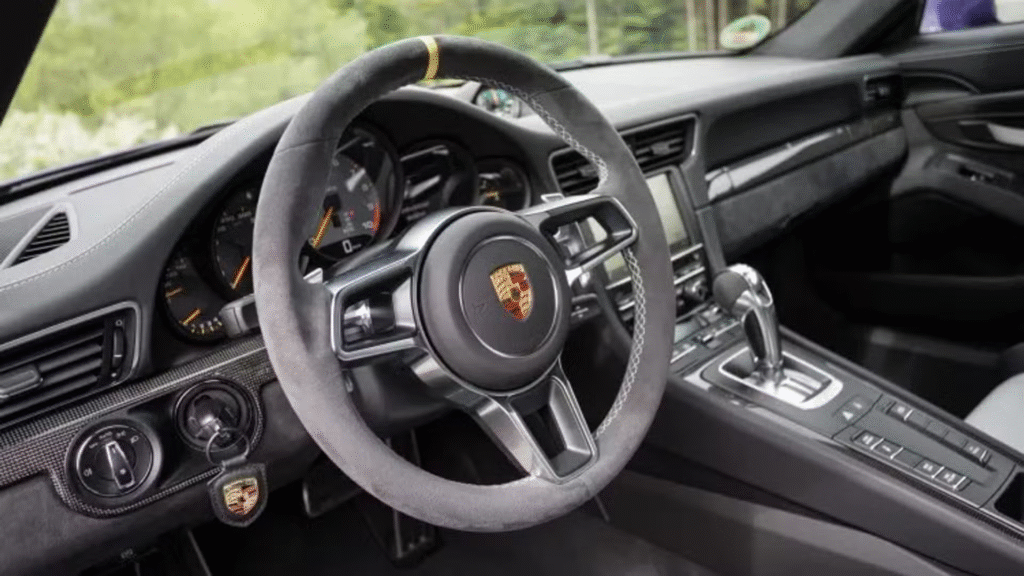
Steering response is one of the defining characteristics. The electrically assisted steering system delivers direct feedback from the road, enabling precise inputs at speed. Drivers benefit from exceptional front-end grip awareness, which is essential for trail braking, apex accuracy, and confidence during high-speed maneuvers.
Braking System Built for Extreme Conditions
Braking performance matches the car’s extreme capabilities. Large, ventilated brake discs paired with high-performance calipers provide exceptional stopping power. Optional carbon-ceramic brakes further reduce unsprung weight and deliver fade-free performance during extended track sessions. This ensures consistent braking precision lap after lap.
Interior Focused on the Driving Experience
The interior prioritizes function over luxury. Lightweight bucket seats provide excellent lateral support, keeping the driver stable during high-G cornering. Alcantara surfaces enhance grip, while unnecessary comfort features are minimized to reduce weight. Every control is positioned for quick access and intuitive operation during high-intensity driving.
Digital Instrumentation and Performance Data
The digital cockpit provides real-time performance data essential for track driving. Drivers can monitor lap times, tire temperatures, gear selection, and engine parameters. This data-driven approach allows for performance analysis and setup optimization, helping drivers extract maximum potential from the vehicle.
Tire Technology and Track Grip
Specially developed high-performance tires play a crucial role in overall performance. These tires are engineered to withstand extreme lateral forces and high temperatures. Their compound provides exceptional grip on dry surfaces, allowing the chassis and suspension to operate at peak efficiency during aggressive track use.
Cooling Systems for Sustained Performance
High-performance driving generates significant heat, and Porsche addresses this with advanced cooling solutions. Dedicated airflow channels cool the engine, transmission, and brakes independently. This ensures stable operating temperatures, even during extended track sessions, preventing performance degradation due to heat saturation.
Track Versatility and Adjustability
One of the vehicle’s strengths lies in its adjustability. Suspension, aerodynamics, and electronic systems can be customized based on driver preference and track conditions. This flexibility allows both amateur and professional drivers to fine-tune performance, making the car adaptable to different circuits worldwide.
Road Legality with Motorsport DNA
Despite its track-centric design, the car remains road legal in many markets. This dual nature allows owners to drive to and from the circuit without compromising legality. However, comfort is secondary, reinforcing its identity as a machine designed primarily for performance enthusiasts and motorsport purists.
Reliability and Engineering Precision
Porsche’s reputation for engineering excellence is evident in long-term reliability. Components are designed to endure repeated high-stress conditions without failure. This reliability distinguishes the model from many competitors that require frequent maintenance after track use, enhancing ownership confidence.
Market Position and Collector Appeal
The model occupies a unique position in the high-performance market. Limited production numbers, motorsport heritage, and engineering purity contribute to strong demand. Many examples retain or increase their value over time, making them appealing to collectors as well as driving enthusiasts.
Impact on Modern Performance Car Development
This vehicle influences the broader automotive industry by demonstrating the potential of naturally aspirated engines and mechanical precision in a digital era. Its success reinforces the value of driver engagement, aerodynamics, and lightweight engineering in performance vehicle development.
Conclusion: Engineering Without Compromise
The Porsche GT3 RS represents a philosophy rooted in motorsport authenticity. Every component serves a performance-driven purpose, resulting in a machine that delivers unparalleled track capability. Its engineering depth, precision, and focus make it one of the most respected performance vehicles ever produced.
More details : Elegant Carry Essentials for Daily Use and Special Events
Frequently Asked Questions
1. Is the Porsche GT3 RS suitable for daily driving?
It is road legal but optimized for track use, making daily driving impractical for most users.
2. Does it use turbocharging?
No, it features a naturally aspirated engine designed for high-rev performance.
3. How does it differ from a standard GT3?
The RS version focuses more on weight reduction, aerodynamics, and track performance.
4. Are maintenance costs high?
Maintenance is higher than standard sports cars due to specialized components.
5. Why is it popular among collectors?
Limited production, motorsport heritage, and strong resale value increase its collector appeal.