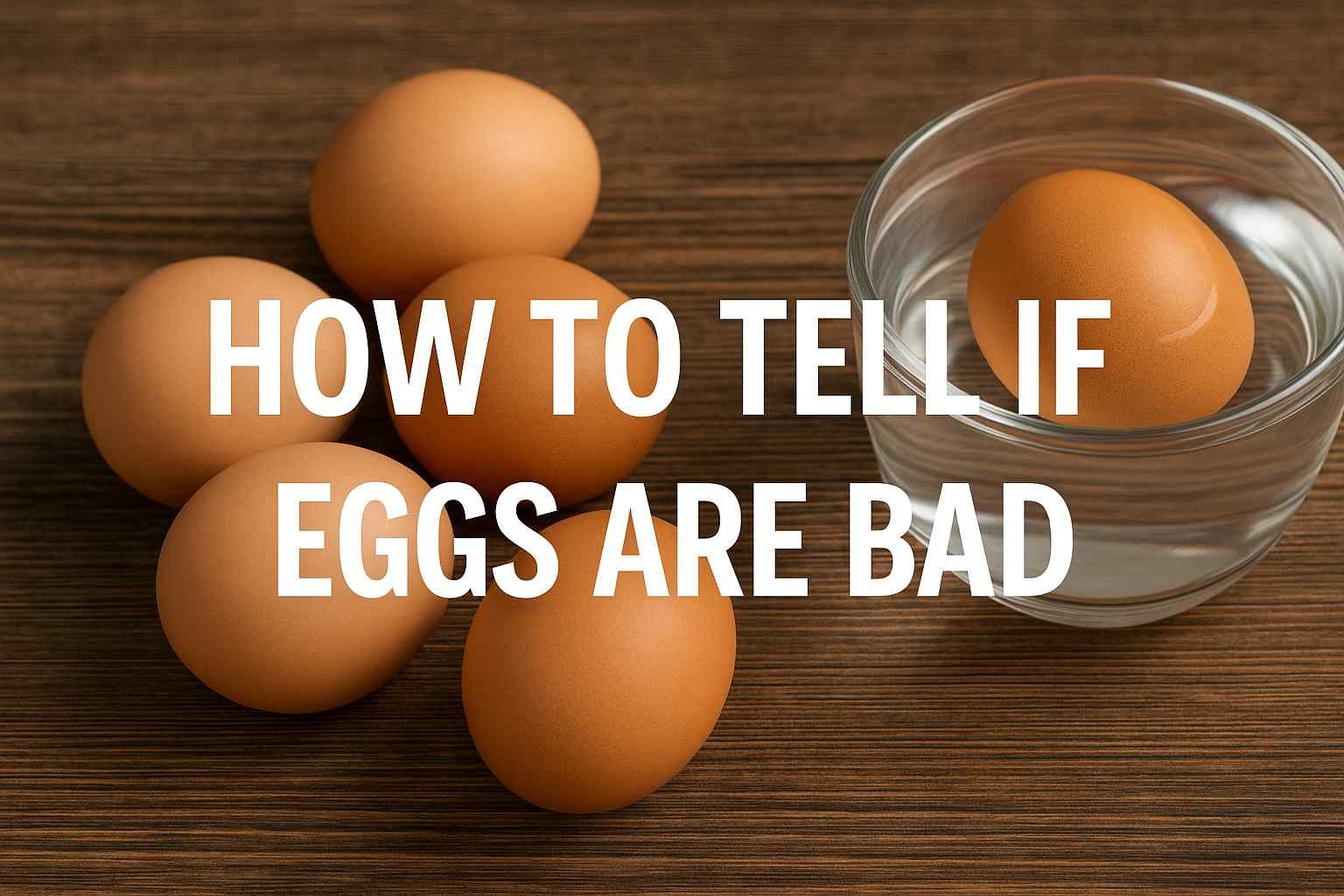
Understanding how to tell if eggs are bad is essential for every household, especially if you frequently store eggs for days or weeks. Eggs are widely used in cooking and baking, but because they are perishable, they can become unsafe if not properly evaluated. This guide explains the most accurate methods for checking freshness, the science behind egg spoilage, and simple techniques anyone can perform at home. The goal is to help you stay safe, reduce food waste, and understand exactly what to look for before using eggs in meals.
Why Identifying Spoiled Eggs Is Important
Foodborne illnesses, particularly salmonella, are commonly linked to eggs that have gone past their safe window. Eating spoiled eggs can lead to vomiting, stomach pain, and fever. Beyond safety concerns, old eggs lose quality in terms of texture, flavor, and cooking performance. By learning how to tell if eggs are bad, you not only protect your health but also improve the quality of the recipes you prepare.
How Eggs Naturally Age Over Time
From the moment an egg is laid, it begins a slow aging process. The shell is porous, allowing air to seep in and moisture to escape. Over time, this leads to:
- A larger air pocket inside the egg
- Thinning and spreading of egg whites
- A weakened yolk membrane
- Reduced structural quality
These changes happen even when eggs are refrigerated. While older eggs can still be safe, knowing how to recognize spoilage signs helps you make informed decisions.
The Float Test: The Most Popular Freshness Check
Why the Float Test Works
As eggs age, the air pocket inside expands. Eggs with more air become more buoyant, allowing this test to reliably show if they are old or spoiled.
How to Perform the Float Test
- Fill a bowl with cold water.
- Gently lower the egg into the water.
- Observe how it behaves.
What the Results Mean
- Sinks and lies flat – very fresh and safe.
- Stands upright – older but usually still edible.
- Floats to the top – likely spoiled and should be thrown away.
While this test is highly trusted, it should be combined with other methods for the most accurate judgment.
Shell Appearance: A Visual Clue You Should Never Ignore
The shell can give important hints about freshness:
- Slimy or powdery coating: Indicates mold or bacterial growth.
- Cracks or leaks: Can allow bacteria to enter.
- Unusual discoloration: Dark or greenish spots suggest contamination.
If the shell looks suspicious in any way, discard the egg immediately. This is a crucial part of understanding how to tell if eggs are bad.
The Sniff Test: The Most Reliable Indicator
A rotten egg has a very strong, unmistakable odor—sulfur-like or extremely foul. You can perform this test with the shell intact or after cracking the egg into a bowl.
How to Do It Safely
- Crack eggs one at a time into a separate bowl before adding them to a recipe.
- If the smell is unpleasant or sharp, discard it immediately.
The sniff test is considered the most definitive method because bacteria produce obvious odors when eggs spoil.
Inspecting the Yolk and Whites
When you crack an egg into a bowl, its appearance reveals freshness:
Signs of a Fresh Egg
- Firm, round yolk
- Thick egg white that stays close to the yolk
- Minimal spreading
Signs of a Spoiled Egg
- Watery, runny whites
- Yolk breaks easily or appears cloudy
- Presence of black, green, or pink discoloration
Unusual colors or textures mean the egg should not be consumed under any circumstance.
Understanding the Expiration Date on Egg Cartons
Egg cartons typically display either:
- Sell-by date
- Best-before date
- Expiration date
These dates refer to quality, not always safety. Eggs can remain edible for weeks after the listed date if properly stored. Still, relying solely on printed dates is not enough when learning how to tell if eggs are bad, so physical checks stay essential.
Proper Storage Techniques to Extend Egg Freshness
Correct storage significantly slows spoilage. To maximize safety:
Refrigeration Tips
- Keep eggs in the coldest part of the refrigerator, not on the door.
- Store them in their original carton to prevent moisture loss.
- Avoid washing eggs unless necessary, as washing removes the protective bloom layer.
Avoiding Temperature Fluctuations
Constant temperature changes accelerate spoilage. Once eggs are placed in the fridge, they should stay there until use.
Common Myths About Egg Freshness
Many misconceptions exist, such as:
- Myth: A darker yolk means a fresher egg.
Yolk color depends on diet, not freshness. - Myth: Floating eggs are always rotten.
Some older eggs float but are still safe if they pass visual and smell tests. - Myth: All cloudy whites are bad.
Cloudiness often indicates freshness due to higher carbon dioxide levels.
Understanding these myths prevents unnecessary waste and provides a more accurate approach to checking freshness.
When to Dispose of Eggs Immediately
Always throw eggs away if you notice:
- Strong, unpleasant odor
- Mold on the shell
- Leaking or cracked shell
- Pink, green, or black patches inside the egg
- Strange foam or bubbles after cracking
These signs strongly indicate bacterial activity and should not be ignored.
Conclusion
Knowing how to tell if eggs are bad helps you protect your health and maintain confidence in your cooking. Using simple methods such as the float test, sniff test, shell inspection, and visual checks ensures that you always know the condition of your eggs before consuming them. By combining scientific understanding with practical kitchen techniques, you can safely enjoy eggs while avoiding spoilage risks.
More Details : Unveiling the Legendary Treasure: Inside the Mystery of Cleopatra’s Golden Eggs
FAQs
1. Can eggs still be good after the expiration date?
Yes. If stored properly in the refrigerator, eggs can remain edible for several weeks beyond the date, but always perform freshness tests.
2. Why do some eggs smell slightly strange but not rotten?
A mildly unusual smell can come from the hen’s diet. A truly spoiled egg has a strong sulfur-like odor.
3. Is it safe to eat an egg with a blood spot?
Yes. Blood spots are harmless and not a sign of spoilage.
4. Can freezing affect freshness tests?
Frozen eggs behave differently, so always thaw them fully and inspect smell and appearance before using.
5. Are eggs safe if the whites are runny but not smelly?
Runny whites may indicate age, not spoilage. Use other checks like smell and appearance to decide.